

By: Hiskia Asino
Namibia is a country which experiences sporadic and variable seasonal rainfall. The rural communities in the most part of the country rely predominantly on subsistence agricultural farming which comprises livestock and cereal crops.
The impact of climate change and other weather anomalies such el Nino make it difficult to predict future forecasts. However, the 2024 and 2025 seasons have resulted in much-needed nationwide rains which have inundated the floodplains, rivers and dams.
This has brought the much-needed relief to the agriculture farmers and communities. Feed prices for fish, poultry and pigs have in recent years increased significantly due to increased demand and limited affordable ingredients.
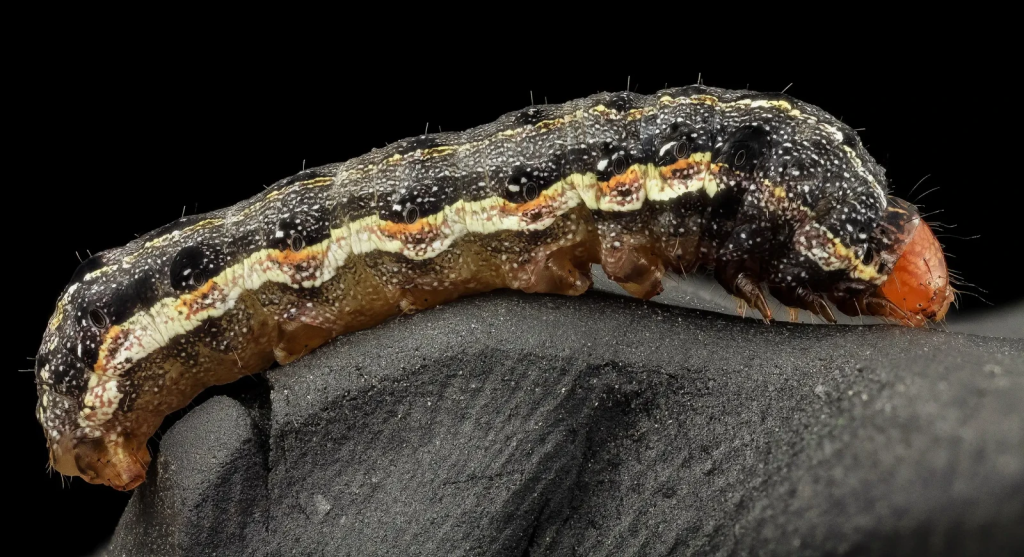
However, despite the expected bunker harvest, the seasonal threat of pest outbreaks continues to threaten the potential production output. Countries such as China have researched and developed usage for many of these pests to contribute positively to their feed industry, whereas in Namibia these pests continue to create crippling losses and increase food insecurity.
These natural events cost the Namibian government millions of dollars in efforts to contain them through insecticides and food programs for affected communities. As a short-term solution, insecticides tend to have negative side effects on the food chain and web.
Countries like Kenya and Pakistan who have experienced similar outbreaks have repurposed locusts into a rich protein source for poultry feed. In so doing, the locusts are harvested in masses in the evening while they are inactive and crushed and dried into a powder form. The powder is then formulated with other ingredients to create a balanced diet for fish, poultry and pigs.
This abundant resource will not only help generate an income for the farmers, but it can also help reduce the cost of feed for fish, poultry and pig farmers, which constitute between 50–70% of their input costs.
To further improve the quality of the feeds, research needs to be conducted to profile the nutritional composition contained in pest powder.
President Netumbo Nandi Ndaitwah has prioritised agriculture and the usage of our natural resources to benefit Namibians. Therefore, the trajectory of managing pest outbreaks can be researched to transform a negative into a positive for said benefit.
The need to develop research trials and to use these pests as ingredients in animal feeds is of paramount importance.
Mr. Hiskia Asino
Aquaculture and Nutrition PhD candidate University of Namibia (Sam Nujoma Campus)
+264 81 673 1791