


By: Nghiinomenwa-vali Hangala
For the first three months of 2026 (Q1), producers have sold 52,975 cattle head to abattoirs and external markets, reflecting a 19.7% increase, compared to 44,266 head marketed in the corresponding period for 2025.
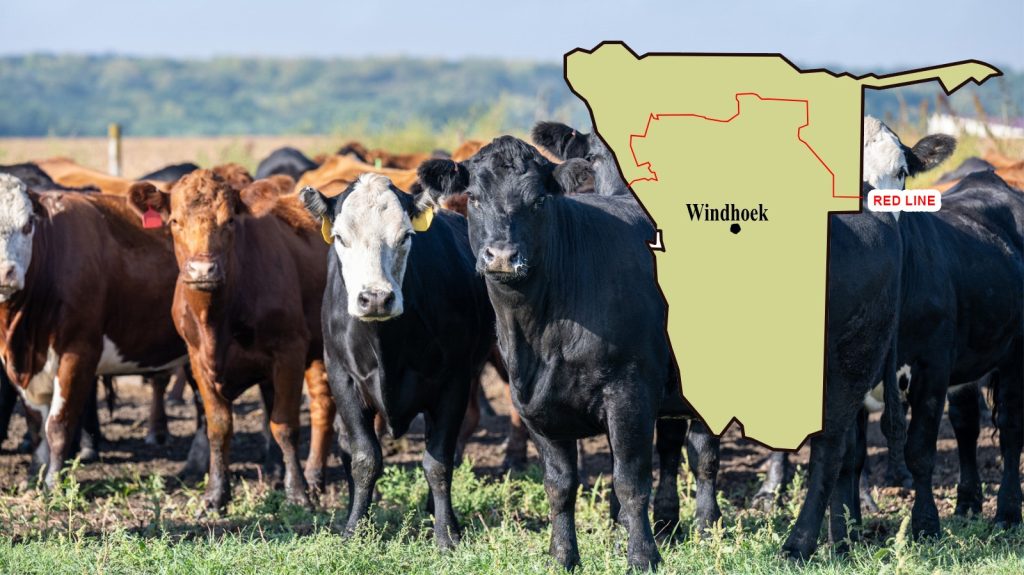
Of the total cattle brought to the formal market, only 1,625 head came from north of the red line, according to the quarterly statistics compiled by the Livestock and Livestock Products Board of Namibia.
FMD continues to lock out north of the redline producers from various lucrative markets for beef and weaners, constraining investment in cattle production, thereby limiting rural development and wealth creation.
Furthermore, the country is yet to secure more markets for the northern producers under the commodity-based trade model.
Though the north of the red line has two export-certified abattoirs, both have struggled to slaughter more than 400 head of cattle per month during the period under review.
From the 52,975 head of cattle marketed, 35,206 head were slaughtered for beef, for local consumption and export.
Northern abattoirs (export and butcheries) collectively only slaughtered fewer than 1,700 cattle, show the statistics.
Since cattle movement across the red line is limited, the northern farmers have also limited access to the weaner export market, which is mostly destined for South Africa.
As for the first 3 months of 2026, local farmers (mostly from the south of the red line) have sold 17,769 heads of cattle, an increase of 32.9%. The increase shows strong regional demand and continued integration into external markets.
For Q1, beef exports expanded threefold to 3,6 million kilograms, up from 1,4 million kilograms recorded during the same period in 2025.
The LLPBN reflected that the increase is due to stronger demand in premium international markets, particularly Europe and key regional destinations.
From the 35,206 head slaughtered for beef, 175,118 kilograms was processed into leather, and 438,099 kilograms of hides were also produced and exported.
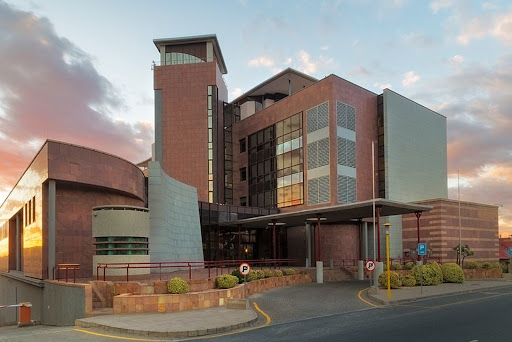
This month, Meatco’s interim chief executive officer, Albertus !Aochamub hosted Abdullah Khalil Al-Musaibeeh, President of the Arab Bank for Economic Development in Africa, and his delegation for a focused engagement with the Meatco team.
!Aochamub indicated that their discussions centred on how to move from potential to bankable, scalable investment in Namibia’s beef value chain.
He added that from a Meatco perspective, investment can make the most immediate difference in reviving the Small Stock Abattoir, unlocking export capacity into the EU and Middle East markets.
Moreover, investing in the expansion of Tannery Operations, moving beyond Wet Blue into full value addition could also add to said difference.
!Aochamub also noted that investing in the reactivation of cannery operations can strengthen national food security while modernising production.
“These are not abstract ideas. They are practical, investment-ready opportunities designed to drive job creation, support communal and commercial farmers, and position Namibia more competitively in global markets,” he stated.