



By: Mathias Hangala
Various stakeholders from the public and private sector have met last week to validate the Step-by-Step Guide for trading goods under the African Continental Free Trade Agreement (AfCFTA).
The draft guide was reviewed during a validation workshop held in Windhoek, bringing together key trade decision-makers, government officials, business representatives and development partners.
The workshop focused on validating practical tools designed to help Namibian businesses, particularly micro, small, and medium-sized enterprises (MSMEs), women, and youth entrepreneurs trade more easily across African markets.
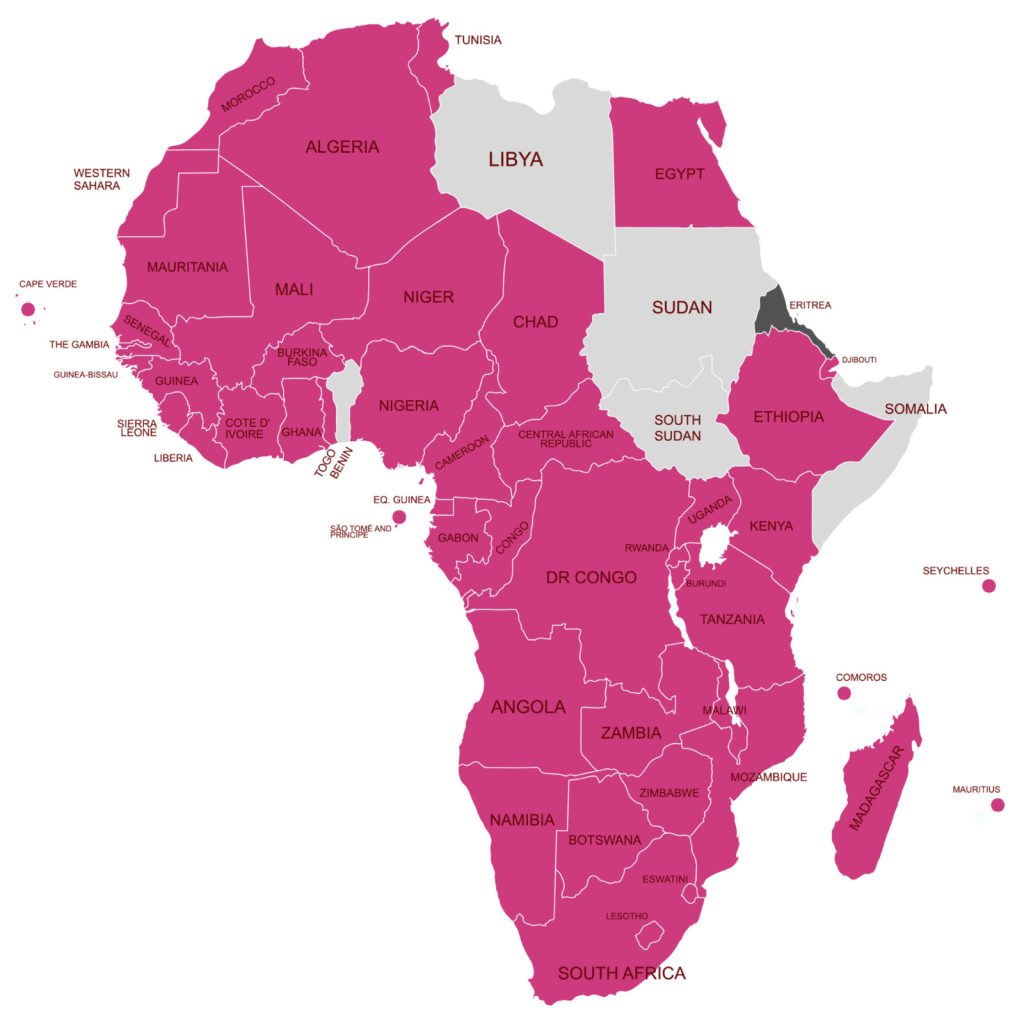
Namibia is part of the 24 state parties that have gazetted their provisional Schedules of Tariff Concessions: Algeria, Botswana, Cameroon, Egypt, Ethiopia, Ghana, Kenya, Mozambique, Mauritius, Morocco, Namibia, Nigeria, Rwanda, Tanzania, Tunisia, South Africa, Eswatini, Lesotho, Burundi, Uganda, Malawi, Seychelles, the Gambia and Zambia.
This means they can now trade under AfCFTA rules. However, in Namibia, only two products have been exported under the AfCFTA to date.
Speaking on behalf of the executive director in the International Relations and Trade Ministry, Ndiitah Nghipondoka-Robiati, director of international trade, Asser Nashikaku, described the AfCFTA as a cornerstone of Africa’s trade and industrialisation agenda as it seeks to create a single, integrated market for goods and services while enhancing the competitiveness of African economies.
Nghipondoka-Robiati emphasised that the effective implementation of the AfCFTA is critical for Namibia to expand export opportunities, strengthen participation in regional value chains, and promote inclusive economic growth, especially for MSMEs, women, and youth.
While acknowledging Namibia’s progress, including the development of the National AfCFTA Implementation Strategy (2022–2027), she noted that consultations with businesses continue to reveal limited access to consolidated, practical, and user-friendly trade information.
According to her, policy commitments alone are insufficient to unlock AfCFTA benefits. Traders often struggle to navigate rules of origin, product classification, customs procedures, certification requirements, documentation, and border processes.
The Guide for Trading in Goods under the AfCFTA, together with the integration of AfCFTA content into the Namibia Trade Information Portal, is intended to address these challenges directly.
Nghipondoka-Robiati added that the validation workshop was a necessary step in ensuring the Guide is accurate, relevant, and responsive to the real needs of the business community.
Similarly, in a statement read on her behalf by Zodwa Mabuza, Chief of the Subregional Initiatives Section at the United Nations Economic Commission for Africa (ECA) Sub-Regional Office for Southern Africa, Eunice G. Kamwendo underscored the importance of moving the AfCFTA from policy to action.
“The guide is designed to translate the AfCFTA from policy into practice. By providing clear, practical and accessible information, it will empower Namibian businesses, particularly MSMEs, women and youth-led enterprises to navigate trade requirements, access new markets and participate fully in Africa’s single market,” she stated.
She noted that Namibia is among a select group of pilot countries developing the guide for trading under the AfCFTA, describing the initiative as a milestone in strengthening private sector readiness. She stressed that the success of the AfCFTA will largely depend on uptake by the private sector, with the Guide serving as a practical “walking stick” for navigating cross-border trade requirements.
Moreover, Namibia Chamber of Commerce and Industry (NCCI) chief executive officer Titus Nampala described the validation exercise as a turning point in addressing concerns about the implementation of the AfCFTA.
He said businesses have sought clarity on how to operationalise the Agreement, and the guide responds directly by translating commitments into actionable steps.
Nampala highlighted the AfCFTA’s transformative potential across sectors such as agro-processing, fisheries, manufacturing, energy, telecommunications, and services.
However, he observed that Namibia’s exports remain concentrated in a narrow range of products and markets. Data available as of December 2025 show that Namibia exported goods worth N$5.8 billion to African markets while importing N$5.3 billion, indicating the need for greater product and market diversification beyond the Southern African Customs Union.
Participants also discussed effective dissemination strategies, including reaching businesses in remote and rural areas. Following validation, the guide will be integrated into Namibia’s Trade Information Portal, with training provided to ensure its effective use and maintenance.
The ECA has further encouraged linking the Portal to the SADC Online Trade, Technology and Investment Platform to enhance continental visibility and access.