



By: David Shoombe
The Daures Green Hydrogen Village plans a knowledge-dissemination programme targeting about 250 youth in 2 years through its newly-launched science laboratory.
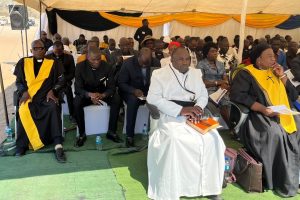
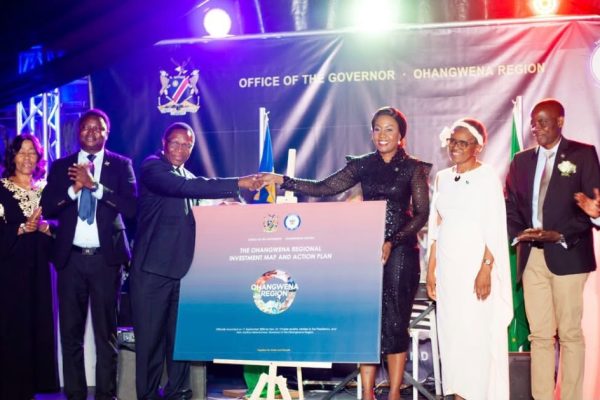
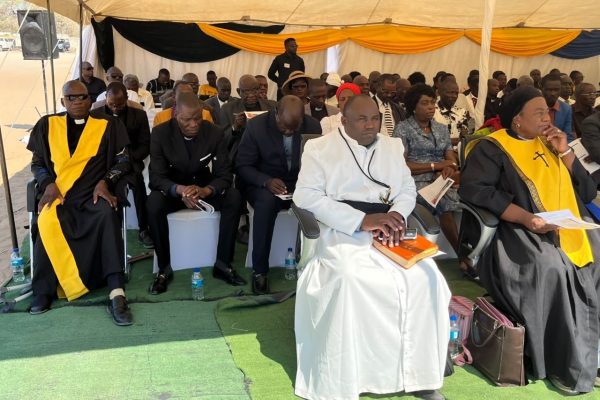
Chief executive officer, Jerome Namaseb, revealed this during the laboratory inauguration last week.
Namaseb stated that “the project aims to produce green hydrogen, green ammonia, and ferilisers by 2026.” He further noted that this realisation of local and commercial fertiliser production would be enabled by support from the United Nations Industrial Development Organisation (UNIDO).
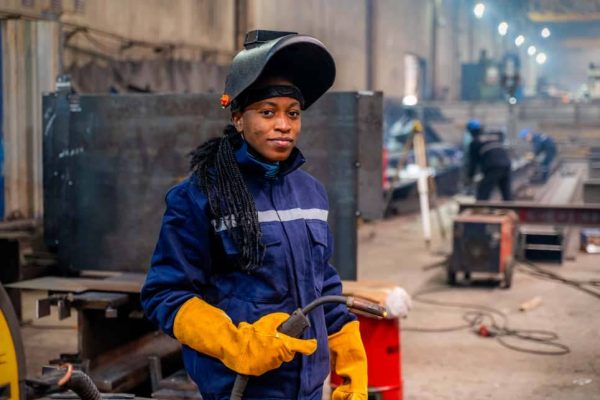
Throughout the construction of the Village, the project employed about 400 people from the Daures Constituency, with 40 currently serving as permanent staff. These include qualified agriculturists with knowledge of ammonia production, and engineers with expertise in handling components such as solar batteries.
Namaseb added that “There are a lot of opportunities for Namibians to get involved in the value chain,” encouraging professionals and students alike to capitalise on these opportunities and have more local production and procurement.
Also speaking at the inauguration, Director General of the National Planning Commission of Namibia, Kaire Mbuende, stated that “Green jobs are realistic as they are based on research and existing plans.” Asked whether the NDP 6 is overambitious, Mbuende shared his confidence in government delopmental plans, echoing Namaseb’s sentiments about Namibians taking up opportunities in the green industry as the world shifts to renewable energy.
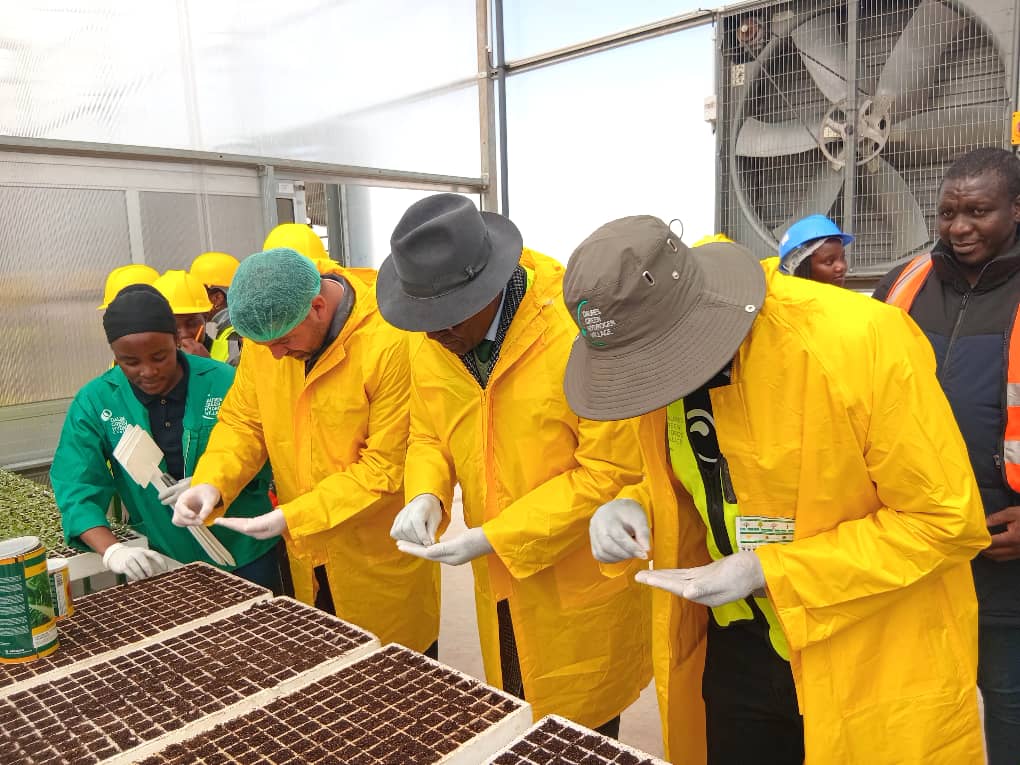
Acting manager of agricultural analysis at the Village, Jason Angula, indicated that the project donates thousands of seedlings to farmers in the surrounding areas, also selling the products such as green pepper, tomatoes and cucumbers to commercial stores.
The sixth National Development Plan (NDP 6) states that in terms of its desired outcomes by 2030, it aims to reach 30 000 jobs created, highlighting green hydrogen as a key sector in driving economic growth and industrialisation.