



By: Peneyambeko Jonas and Nghiinomenwa-vali Hangala
The National Petroleum Corporation of Namibia (Namcor) has welcomed the fuel procurement by the government that gives Vitol a monopoly to supply the country’s bulk fuel for three months.
This is despite the corporation wanting the same arrangement 6 years ago, which was not allowed due to anti-competitiveness.
The government has, however, contradicted this decision and arranged for one company to import petroleum products for the country for three months.
The government’s decision contradicts that of the Namibian Competition Commission in 2019 which denied Namcor 50% control over Namibia’s petroleum imports.
The state-owned enterprise also applied to have wholesalers purchase 50% of their fuel requirements from them for a period of 10 years, but was denied for the same anti-competitive reasons.
Despite this 2019 loss, Namcor has defended its participation in the government’s coordinated fuel procurement arrangement, saying the current model is helping the company secure fuel supplies at competitive prices while it continues its financial recovery.
In a statement issued on Friday, Namcor said the arrangement aligns with both its commercial objectives and Namibia’s broader energy security goals.
The company noted that despite significant progress in its turnaround strategy, it remains constrained by working capital challenges and must therefore prioritise commercially sustainable procurement decisions.
According to Namcor, government interventions totalling nearly N$2 billion over the past two years have helped stabilise the state-owned oil company following what it described as “significant commercial and governance challenges.”
The company’s working capital deficit has reportedly improved from N$2.38 billion in March 2024 to approximately N$483 million by March 2026.
Namcor spokesperson Utaara Hoveka said the arrangement allows the company to obtain fuel at more favourable terms than those available in recent months.
“The current arrangement provides access to more competitive pricing at Basic Fuel Price flat, reduces procurement and logistics risks, provides greater certainty of supply and enables Namcor to continue generating value through its storage and distribution infrastructure,” Hoveka said.
The statement comes amid growing debate over government’s decision to award international energy trader Vitol a three-month fuel supply contract valued at approximately N$7.2 billion.
The arrangement, which runs from July to September, has drawn criticism from some politicians and industry observers who argue that Namcor was sidelined despite being the country’s national oil company.
Defending the decision in Parliament, Minister of Industries, Mines and Energy, Modestus Amutse, said Vitol’s proposal was selected because it did not require government guarantees and could supply fuel at the Basic Fuel Price without additional premiums.
“What set the offer from Vitol apart was that it met the fuel requirement in full: fuel supplied at the basic fuel price, with no premium on top and no public money required,” clarified Amutse.
The Minister further explained that Namcor’s bid required financial guarantees, making it less competitive under the emergency procurement process.
“They needed a guarantee. They can only get oil from their source with a guarantee, for obvious reasons. So that made them not qualify,” Amutse told lawmakers.
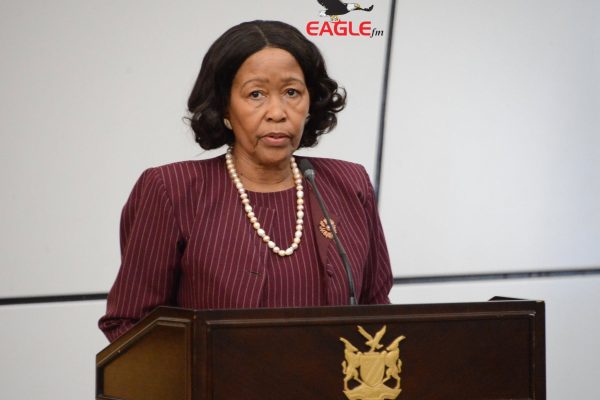
However, the arrangement has not escaped criticism. Former Namcor acting managing director, Maureen Hinda-Mbuende, warned that excluding the national oil company could undermine the long-term competitiveness of Namibia’s downstream fuel sector.
“This is counter-productive and monopolistic,” Hinda-Mbuende said while questioning the decision to grant a sole-supplier contract to Vitol.
Meanwhile, Namcor insists that its participation in fuel procurement must be guided by prudent risk management and sound governance.
The company said the current arrangement allows it to strengthen its balance sheet while continuing to support national fuel security objectives.
The debate comes as Namibia moves towards a new coordinated petroleum import system expected to be introduced later this year.
Government says the reforms are aimed at reducing fuel costs, improving efficiency and protecting consumers from volatility in international energy markets.
For now, Namcor maintains that the coordinated procurement arrangement strikes the right balance between affordability, security of supply and commercial sustainability, while positioning the company for long-term recovery and growth.