



By: Annakleta Haikera
Traditional leaders and residents from the Kavango East and Kavango West Regions have voiced strong opposition to the proposed project to transfer water from the Okavango River to central Namibia.
The regional leaders insist that the region’s own water needs must be prioritised first.
Their concerns come as construction of the new Rundu Water Treatment Plant continues.
While the plant is intended to improve water supply for Rundu and surrounding communities, many residents fear it could eventually supply the proposed N$7 billion Kavango Link Pipeline to Windhoek.
Chief Councillor of the Mbunza Traditional Authority, Stefanus Kudumo, said Kavango communities continue to experience frequent water shortages and should not see their water resources diverted before local demand is fully met.
He called on the government to guarantee that the new treatment plant will first secure reliable water supplies for residents of Kavango East and Kavango West.
Kudumo also questioned when traditional leaders would be formally consulted on the project.
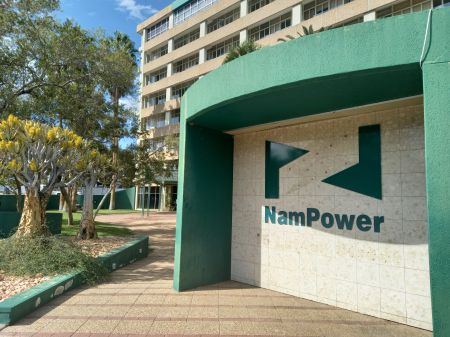
NamWater has maintained that abstracting water from the Okavango River will not negatively affect the river system or surrounding communities, saying the project is designed to improve national water security while ensuring sustainable use of the river.
The criticism emerged during a public consultation meeting in June on the Environmental and Social Impact Assessment (ESIA) and Environmental and Social Management Plan (ESMP).
Several speakers questioned both the scientific basis of the project and the consultation process, arguing that the water needs of the Kavango regions should be addressed before water is transferred elsewhere.
Rundu Rural Constituency Councillor Paulus Mbangu said communities in Kavango East and Kavango West remain firmly opposed to the proposal.
He accused NamWater and its consultants of failing to adequately consult regional leaders and traditional authorities before advancing the project.
Mbangu also questioned the scientific basis of the proposal, saying no comprehensive audit had been presented to determine how much water is available in the Kavango River.
“You cannot manage what you cannot measure,” he said.
He further urged industries in central Namibia that require large volumes of water to relocate to the Kavango regions instead of redirecting water from the river.
Former APP parliamentarian, Maria Kamutali, echoed similar concerns, questioning why NamWater had revived a proposal that residents had previously rejected.
“Residents refused that proposal. How come you are here again with the same proposal?” she asked.
Kamutali also questioned whether the consultation process was genuine.
“Are you here to consult us, or are you here to inform us about what you have already decided?” she asked.
She further expressed concern about the long-term sustainability of the Kavango River, saying she has witnessed a significant decline in water levels over the years.
“Before independence, people could not cross the Kavango River on foot. Today, around September, some people can run across certain sections of the river,” she said.
Responding to the concerns, NamWater’s Head of Business Unit for the North-East Regions, George Diergaadt, said the utility’s objective is to secure long-term water supplies for Namibia’s administrative and economic centre, warning that a water crisis in Windhoek would have national consequences.
“If Windhoek sits without water, eventually we will also struggle because of that,” Diergaadt said.
He noted that Windhoek hosts central government institutions, universities and other key services, making water security in the capital a national priority.
“We are working for the betterment of the whole country,” he said, adding that consultations with traditional authorities, regional councils and local communities would continue.
Meanwhile, the Kavango People’s Forum, a local NGO, has announced plans to stage a peaceful demonstration on 17 July 2026 to oppose the proposed pipeline.
Forum spokesperson Paulus Mahupe said the project should not proceed without the consent of the people of Kavango, stressing that residents rejected it during earlier consultations.
Mahupe said the forum remains concerned about the environmental, social and economic impacts of transferring water from the Kavango River to central Namibia, describing the river as the lifeline of the region.
He said any decision affecting the river must involve meaningful public participation and safeguard the interests of future generations.