



Photo: Contributed
By: Peneyambeko Jonas
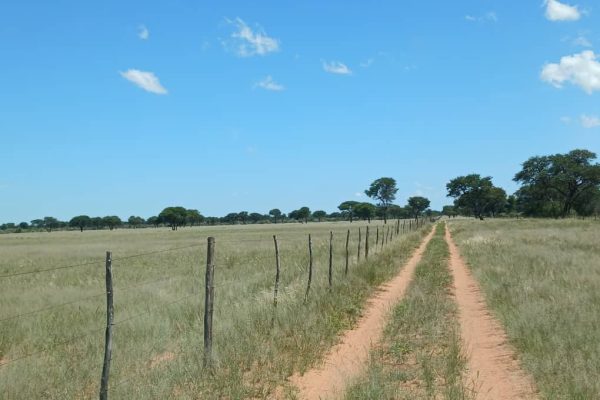
In the previous financial year, the government spent N$238.7 million acquiring 24 farms covering 95,535 hectares, according to the Ministry of Agriculture and Land Reform’s programme performance report, which was released this week.
The acquisition is crucial in the redistribution of land and efforts to correct past land injustices that deprived many Namibians of land ownership.
Despite this acquisition, concerns remain over access to water, finance and land ownership, as farmers question whether government spending is translating into productive farms, jobs and higher household incomes.
Of the 24 farms acquired, 10 worth N$85.3 million were purchased under the National Resettlement Programme, while 11 costing N$112 million were acquired for generational farm workers and landless people along designated corridors.
Two farms valued at N$40.6 million were bought for people of Batswana and Namibian descent.
The ministry also purchased 944.65 hectares near Neckartal Dam for N$800,000 to support the planned irrigation development.
During the reporting period, 52 beneficiaries received land allocations on seven resettlement farms. However, acquiring land is only the first step towards establishing a profitable farming business.
Beneficiaries also need reliable water supplies, farming equipment, affordable inputs, financing and access to markets.
Daniel Shomeva, a farming expert, told The Villager Newspaper that he was concerned about whether land acquisition would lead to productive farming.
“As much as I get excited about this budget report from the Ministry of Finance, I do not have hope anymore. As much as people are acquiring farms, are the ministries making efforts when it comes to water and finance to ensure that these farms become productive and profitable to Namibian citizens?” he asked.
The ministry reported that 116,238 farmers, including 59,957 men and 56,281 women, received advice on crop and livestock production, horticulture, poultry, dairy farming, animal and plant health, and rangeland management.
It also produced 55 tonnes of foundation seed and 289 tonnes of certified seed with seed growers. Four cowpea varieties and four groundnut varieties were recommended for release following trials that showed improved yields under Namibian conditions.
Meanwhile, there are nine Green Scheme enterprises operated across approximately 5,600 hectares of irrigable land.
During the 2025 summer season, 1,523 hectares were planted with white maize. Harvesting had produced 7,135 tonnes, with final output estimated at 9,760 tonnes and projected revenue of N$68.1 million.
Despite these efforts, agricultural graduate Selma Nduuvite said access to land remained a challenge for people who wanted to enter farming.
“One of the reasons why I chose agriculture as a course is that I want to be a farmer, but acquiring land in Namibia is not easy at all. We keep hearing that the government has allocated farms or land to certain people, but under what circumstances or conditions? People with money are the same people who benefit when it comes to land,” she said.
The report also showed that 6,298 communal land rights were registered, while 25,177 title deeds and other deed documents were registered and archived.
Farmer Joseph Shihepo criticised the ministry for relying on administrative figures without adequately consulting agricultural producers.
“I am very frustrated by the ministry because all it does is give administrative figures, yet they do not consult us, farmers. Our input would help establish whether these investments are improving household incomes, creating jobs and addressing the challenges faced by agricultural producers,” he said.
The figures raise an important economic question: whether public investment in land and agriculture is improving livelihoods. For the money to deliver lasting benefits, farmers must be able to produce, sell their harvests and earn sustainable incomes.
penny@eaglefm.com.na