




By: Loise Shiimi
Prime Minister Elijah Ngurare has announced a directive exempting public entities from specific procurement procedures when acquiring furniture.
This measure aims to reduce bureaucracy, expedite service delivery, and prioritise local suppliers.
Various government entities from education, health, government offices and hostels have been directed to give preference to locally-made furniture.
During a briefing following his visit to the cholera-affected Kap ‘n Bou area in the Grootfontein district, the Prime Minister addressed the Otjozondjupa regional leadership, emphasising the importance of sourcing local materials.
“We may not have the resources to reach for the stars, but we can focus on solving our local challenges with local solutions by sourcing locally,” he stated.
Political analyst Gabriel Iiyambo praised the directive as a significant policy intervention, highlighting the capacity of the local furniture industry.
“To stimulate our economy and add value to furniture products, we must take action. Currently, most furniture is imported, while local artisans possess the skills to create quality products but lack support,” he remarked.
Iiyambo further noted that the implementation of this directive would enhance the skills and knowledge of individuals in the furniture industry, fostering innovation.
“With an open platform and increased competition, they will be motivated to provide superior quality and products,” he explained.
He also pointed out that supporting this industry could positively impact the national economy and create more opportunities for unemployed youth.
Speaking on whether local producers could meet domestic demand, Iiyambo acknowledged that adequate support would be required before implementation could begin.
“They cannot initiate this without the necessary training, equipment, and machinery to ensure their products meet local standards. While there are local designers, many ideas currently exist abroad that can be adapted through proper training,” he noted.
Regarding compliance with the import ban, Iiyambo stated that while some entities may adhere to the new directive, others might not. However, he assured that measures could be taken to ensure compliance across all entities.
“The government should conduct inspections at border points to prevent imports, and penalties or increased tariffs should be enforced to deter non-compliance,” he suggested.
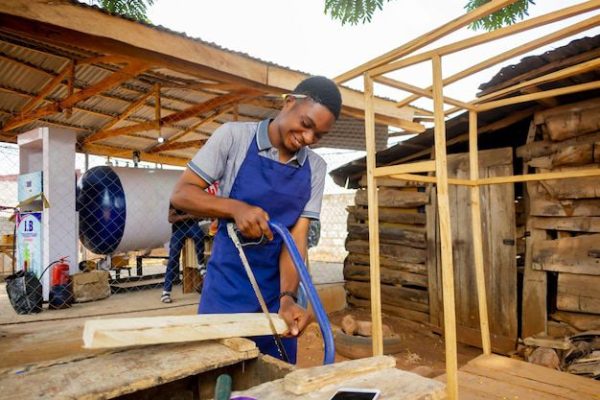
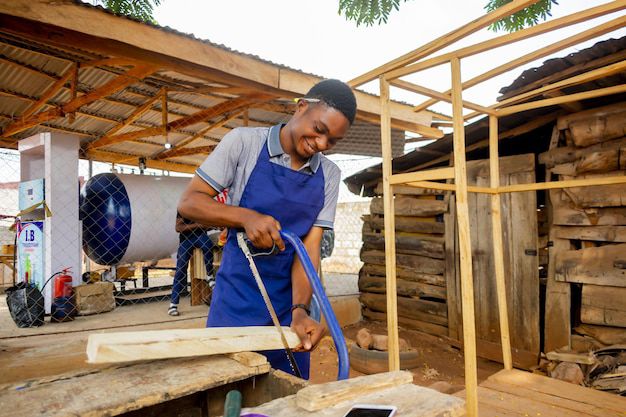
Sakaria Gabriel, a furniture maker, welcomed the news but emphasised the need for initial support.
“While there is a customer base, many challenges must be addressed by the government. Sourcing materials is difficult, and we lack adequate workshop space, which limits our ability to design more products. We also need machinery,” he said.
Gabriel also highlighted the need to equip capable, unemployed youth with the knowledge and skills necessary to become better furniture makers and join the industry.
In addition, he mentioned the high cost of workshop rentals, which hinders their ability to establish their own production spaces.
“Although we have customers, we cannot meet their needs due to limited materials. Personally, I could produce 100 beds in a day if enough materials were available. I appeal to the government for support to revitalise this industry, create job opportunities, and contribute to the economy,” he remarked.