



By: Dwight Links
President Netumbo Nandi-Ndaitwah on Monday launched the sixth National Development Plan (NDP 6), set to run from 2025 to 2030.
Opening her statement on the occasion, President Nandi-Ndaitwah outlined that with the responsibility bestowed upon her by the nation, the achievements of her first 100 days laid the ground for the launch itself.
“[The] Oath of Office that I took on Inauguration Day mandates me to speak and take decisions on behalf of the Namibian people, and to lead the National Development Agenda. Therefore, I am here today to launch the sixth National Development Plan and to account to the nation on the steps taken, as well as notable achievements attained during the first 3 months of the 8th administration,” the president outlined.
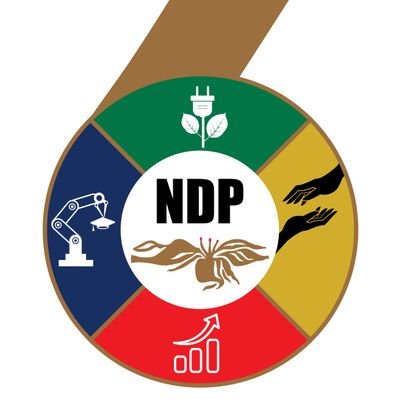
Projections from the full policy document outlines that there are four key pillars for the country to focus on: Economic Growth, Transformation and Resilience, Human Development and Community Resilience, Environmental Sustainability, and Effective Governance and Public Service Delivery.
For the projected economic growth, Namibia has to create 30 000 jobs in its green sectors, reach the Gross National Income per person target of USD 6 900, reach a rate of 75% employment in the country, achieve 80% local food production, and attain a 4% nuclear industry contribution to the GDP, to mention but a few goals.
OPTIMISTIC FUTURE
The Villager spoke to economic analysts Almandro Jansen from Simonis Storm and Mihe Gaomab from the Namibian Economic Society (NES) regarding the optimism that was viewed on the launch of NDP 6, with both indicating that there was reason for it.
“From the start it looks more grounded when it comes to optimism compared to the previous that was more focused on the goals that need to be obtained. It is also rooted in measured accountability and frequent reports on what is going to happen, and I think it’s a step in the right direction,” Jansen explained.
Citing the message of the policy document itself, Jansen also indicated that there is a decisiveness to the NDP 6.
“There is an optimistic outlook with the introduction of the NDP 6. The element of pragmatism and inclusivity of how the president wants to strategically deliver the goals indicated in the plan is evident. Obviously, 100 days is a small period to judge the president and her cabinet’s impact so far,” Gaomab indicated.
“The president has set a course of where we want to be, and there are many detractors who would say that the Vision 2030 has failed, but the policy document for Vision 2030 is actually an inspirational policy of an umbrella outline of where Namibia has to go,” Gaomab added.
On the subject of President Nandi-Ndaitwah’s report of her first 100 days in office and whether there are any tangible indicators correlating to the plan’s launch, Jansen indicated that there are signs in these 100 days of things that are cleared out that should not be there.
“Governance was one of the points, and government performance in terms of service delivery was emphasised in the plan as well,” Jansen noted.
In the Effective Governance pillar, the NDP6 indicates that a 100% compliance rate has to be in place by 2030 with labour and employment legislation.
A national security strength of 52%, a 50% rating of integrated statistical and geospatial systems, and an Ibrahim Index of African Governance rating of 75 all serve as added indicators of effective governance. Namibia currently has an Ibrahim Index ranking of 63 in the 2024 report.
This paints a stable overall governance picture of Namibia in terms of the quadrants that a country is measured under in the report: Security and Rule of Law, Participation Rights and Inclusion, Foundations for Economic Opportunity, and Human Development.