

By: Patemoshela Lukolo
Scores of young Namibians took part in a march from the Windhoek Multi-Purpose Youth Resource Centre to the Yetu Yama NAMCOL Centre via Independence Avenue on 12 August.
The march was held to mark International Youth Day under the theme ‘Local Youth Actions for SDGs and Beyond,’ emphasising the vital role young people play in driving sustainable development goals within their communities.
The event highlighted the important role of youth in advancing sustainable development goals (SDGs) and aimed to raise awareness about youth empowerment, inclusive leadership, and greater access to opportunities and participation in national development.
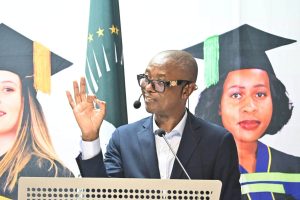
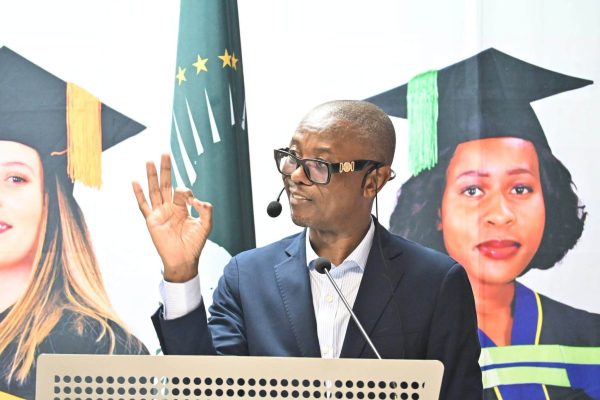
Speaking at the event, Deputy Minister of Youth, Arts and Culture, Dino Ballotti, addressed the audience, describing his remarks as an honest conversation rather than a formal speech.
He called for the youth to have equal representation in leadership spaces, pushing for them to “sit at the high table” alongside senior officials.
“Leaders and young people should eat the same table. You have to speak your actions,” he said.
Ballotti encouraged leaders to adapt their attires to better connect with youth, noting that wearing jackets or T-shirts instead of formal suits can create a more approachable atmosphere.
He reflected on his choice to walk alongside communities in Okahandja following the loss of three young girls, despite advice to maintain strict protocol.
He also highlighted notable young leaders locally and internationally, such as Namibian parliamentarian Fenny Tutjavi, who was sworn into parliament at 22, as well as prime ministers and presidents from countries like France, Iceland, and Ecuador who assumed office in their 30s.
“Being young is a state of mind. We need to inspire and help youth take up leadership positions,” he said.
Ballotti shared government commitments to youth development amounting to nearly N$10 billion over the next five years, allocated to entrepreneurship, infrastructure, and skills development programs.
This includes over N$2 billion for apprenticeships, N$3 billion for internships, N$1 billion for industrial renovations, and N$400 million for youth health care.
He also made mention of the National Youth Fund, with N$257 million available in collateral-free financing for young entrepreneurs under 35.
GLOBAL PERSPECTIVE FROM UNFPA
Erika Goldson, United Nations Population Fund (UNFPA) Country Representative, spoke about Namibia’s youthful population, with 71% under 35 years old.
She described this “demographic dividend” an opportunity for young people to drive innovation and economic growth if supported through education, skills development, and health services. Goldson warned that without proper opportunities, this potential could lead to increased unemployment and poverty.
She emphasised the 2025 global theme, ‘Local Youth Actions for SDGs and Beyond,’ recognising youth as active agents of change.
“You are innovators. You are leaders,” she encouraged, calling for youth integration into local governance, partnerships with the private sector, and support for youth-led solutions.
Goldson also reaffirmed the UNFPA’s commitment to advancing sexual and reproductive health rights and ending gender-based violence.
LOCAL INSPIRATION AND LEADERSHIP
The event program included an inspiring address from Melissa, a young woman who overcame dyslexia to graduate in Community Development and engage in international work with UNICEF. She encouraged youth to pursue their ambitions with determination and humility.
Another speaker from the BALA Foundation shared his journey from student leadership at the University of Namibia to regional youth programs.
He remarked that the socio-economic advancement of Namibia depends on its young people and called for increased investment in youth innovation through mechanisms like the National Youth Development Fund.
International Youth Day, observed annually on 12 August, recognises the contributions of young people while also highlighting the challenges they face.
This year’s Namibian celebration showcased both the opportunities available, and the responsibility of youth to actively shape the nation’s future.