



By: Loise Shiimi
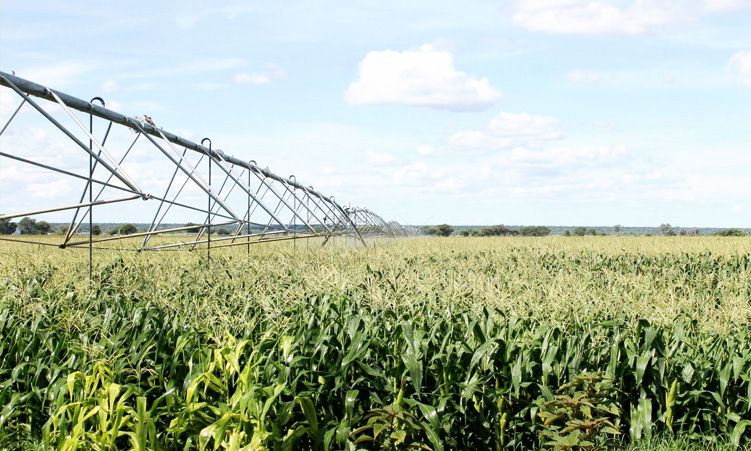
The Ministry of Agriculture, Fisheries, Water, and Land Reform has allocated 195 hectares of land for the establishment of the Ekoka Green Scheme in Okongo, Ohangwena Region.
Efraim Shipindo, Okongo constituency councillor, announced on Eagle FM that the initiative aims to enhance food production both for the local community and the country as a whole.
Shipindo noted that the project is currently progressing well, with the drilling of boreholes having commenced in October. He reported that three boreholes have already been successfully drilled within the scheme.
Regarding the project’s development, Shipindo stated that both soil and water tests have been conducted, and the results indicate that they are suitable for cultivating a variety of vegetables.
“We plan to grow various green vegetables, including tomatoes, green peppers, and onions. We also intend to allocate a portion of the land to potatoes, which are in high demand in the country and will help reduce imports,” he explained.
Shipindo further explained that they are presently clearing brush from the land and will soon prepare it for planting. He expressed optimism that the first harvest will occur by June 2026.
He also highlighted the expected economic impact of the green scheme, stating that approximately 1,000 job opportunities will be created, particularly benefitting the local youth eager to engage in this initiative.
Additionally, Shipindo noted that market accessibility should not pose a problem in the region, as there is a demand for more vegetables.
“We should seize this opportunity, work diligently, and produce more food for our community and the nation,” he urged.
Meanwhile, horticulturist Jesaya Shipingana shared his gratitude for the establishment of the green scheme in Ohangwena Region, speaking to the opportunities it will create for the community.
“Many street vendors and consumers often spend money travelling to stores for fresh vegetables and fruits, which can deter some individuals from consuming these healthy options due to cost. The green scheme will make it more convenient for them to purchase fresh produce,” he said.
Shipingana further underscored the importance of effective training for farmers before the project’s launch to ensure successful production.
Toivo Nghidengwa, another farmer from Okongo, indicated that the initiative would inspire local farmers.
“Having the green scheme in our region will facilitate easier access for us to learn about our crops,” he noted.
Nghidengwa also mentioned that while access to markets is generally adequate in the region, transportation remains a challenge for those without vehicles when delivering their products to customers.
Namibia currently operates 11 green schemes, including the Orange River Irrigation Project, Hardap, Etunda, Musese, Sikondo, Uvhungu-Vhungu, Ndonga Linena, Mashare, Shadikongoro, Kalimbeza, and Shitemo.