



By: Mathias Hangala
In enhancing the national steps towards building climate resilience, the Environmental Investment Fund of Namibia (EIF) has committed to availing approximately N$1.4 billion by 2026 to support climate mitigation and adaptation efforts/projects.
This announcement was made by EIF chief executive officer, Benedict Libanda, during the commemoration of the International Day for Disaster Risk Reduction held in Windhoek under the theme ‘Fund Resilience, Not Disasters.’
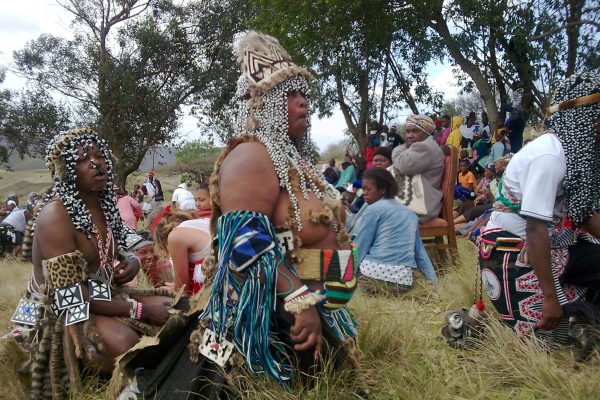
Of the total investment, N$500 million will be directed towards adaptation initiatives in some of Namibia’s most vulnerable regions, such as Kunene.
Another N$500 million is earmarked for urban climate resilience, supporting collaborations with Windhoek, Swakopmund, Rehoboth, and Okahandja municipalities. A further N$400 million will go towards resettling farmers from vulnerable communities, including the San and Ovahimba.
Delivering the keynote address, Prime Minister Elijah Ngurare emphasised the urgent need for coordinated national action, underlining that disaster risk reduction must not be viewed as optional, but as a national responsibility.
“If we do not do it well at home, we can hardly make an impact globally,” he said, adding that “disasters are not just natural events, they are often the result of the choices we make as communities and nations.”
The Prime Minister further invoked the words of President Netumbo Nandi-Ndaitwah, who at the launch of the Sixth National Development Plan (NDP 6) in July 2025 reminded the nation that development is a collective responsibility.
Ngurare painted a picture of the human toll of disasters, recounting the story of Kauna, a petrol attendant who lost her two sons in a shack fire. He urged policymakers and stakeholders to understand that “every statistic represents a human life.”
“We must make practical investments, such as providing each household with a fire extinguisher and smoke detector to prevent such tragedies,” he urged.
He also lamented the lack of infrastructure in informal settlements, which hinders the fire brigade’s timely response, and called for more boreholes in rural and disaster-prone areas like Etosha National Park, which recently experienced damaging wildfires.
Khomas governor, Sam Nujoma, and Windhoek mayor, Ndeishihafela Larandja, echoed the call for better funding and preparedness.
Nujoma pointed out that disaster response teams are underfunded and incapacitated, while Larandja stressed that climate adaptation is a shared responsibility, requiring concerted efforts from all sectors of society.
The UN Resident Coordinator, Hopolang Phororo, reiterated the global perspective, stressing that investing in climate resilience is not a cost, but a lifeline.
“Every dollar we fail to invest in preparedness today becomes a cost we cannot afford tomorrow,” she warned.
Namibia’s efforts align with the Sendai Framework for Disaster Risk Reduction, a global agreement focused on reducing disaster risks and losses in lives, livelihoods, and health.
The EIF’s funding commitment, combined with government resolve and international support, signals a new era for climate adaptation and disaster risk reduction in Namibia. As climate impacts intensify, these investments are not just financial, they represent hope, safety, and sustainability for generations to come.
Shack fires remain one of the most recurring challenges facing many residents in Windhoek’s informal settlements. Every year, hundreds of families are displaced, homes are lost, and lives are forever changed due to these preventable disasters.
According to the CoW’s Fire Brigade report, the 2024/2025 financial year has already seen 569 fire-related incidents across the city, with four deaths reported between January and June.
Out of the total incidents, 139 of these occurred in informal dwellings — an increase from the 130 cases reported during the 2023/2024 period.
With the current financial year still ongoing, seven shack fires have already been recorded, raising concern over the possibility of yet another high tally by year-end.
One of the challenges faced by the Fire Brigade is the inaccessibility of informal settlements, often caused by overcrowding, a lack of adequate roads, and the absence of identifiable landmarks to guide emergency response teams.