

By: Annakleta Haikera
Bishop Magret Darocha has called for a review of Sunday trading practices in Namibia, arguing that the growing number of businesses operating on Sundays is eroding the day’s traditional religious, cultural and family significance.
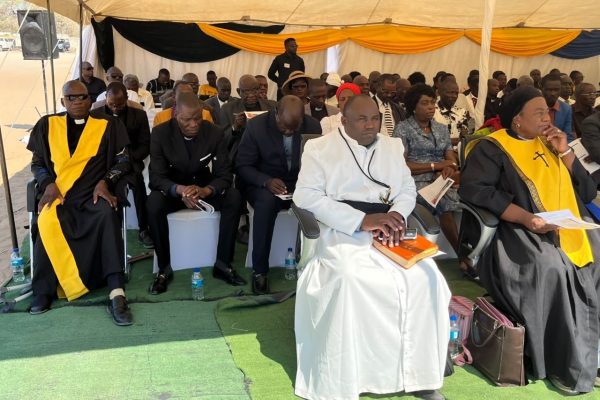
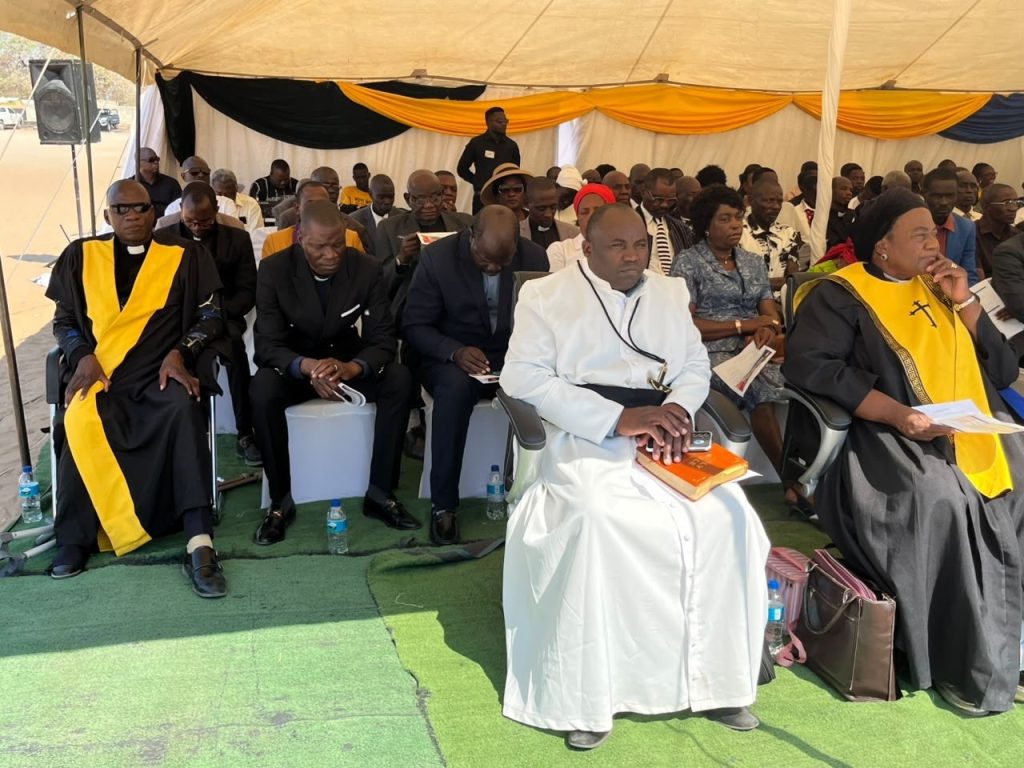
Speaking on Saturday during the National Day of Prayer in Rundu, Darocha made an appeal to Kavango East Governor Hamunyera Hambyuka, Rundu Mayor Andreas Jikerwa, Kavango East Regional Council Chairperson Stefanus Sinonge and national leaders to reconsider how Sunday trading is regulated.
Darocha said Sunday was traditionally regarded as a day for church, worship and spending time with family, but the increasing operation of cuca shops, retail outlets and open markets was changing the way communities observe the day.
She said the trend was also affecting church attendance.
“If you observe our churches today, services are poorly attended,” Darocha said.
She urged leaders and communities to reflect on whether economic activities taking place on Sundays are contributing to the erosion of Namibia’s Christian beliefs, culture and traditions.
The bishop’s remarks sparked concern among some Rundu residents, with residents divided over whether Sunday trading should be restricted.
Martin Shikongo, a Rundu resident, said: “Sunday should remain a day when families can go to church and spend time together.
Nowadays people are busy working and trading, and even children are losing that culture of going to church.”
Another resident, Albertina Nairenge said completely stopping Sunday trading could also affect people who depend on small businesses for their livelihoods.
“People also need to survive. Instead of stopping businesses completely, there should perhaps be reasonable trading hours so that people can still attend church and have time with their families,” the resident said.
Meanwhile, Hambyuka told residents that prayer must be accompanied by behavioural change, saying the fight against gruesome killings, gender-based violence and road accidents requires responsibility from society as a whole.
“Prayer must also cause us to examine ourselves,” Hambyuka said, referring to 2 Chronicles 7:14.
He said Namibians should not only pray for circumstances to change but must also change their own behaviour, including teaching children that love does not mean ownership and refusing to normalise violence.
Hambyuka further urged motorists to act responsibly, particularly when drinking, driving and overtaking.
He said churches, traditional authorities, families, schools, communities and Government all have a role to play in protecting lives.
The National Day of Prayer brought together religious and traditional leaders, Government officials, community members and other stakeholders to pray for an end to violence, GBV and road deaths.
Hambyuka said the day should not merely be remembered as a day when Namibia prayed, but as a moment when Namibians resolved to live differently.
The National Day of Prayer is an annual national observance in Namibia that brings together religious and traditional leaders, Government officials and communities to pray for the country and reflect on social challenges.
The day is intended to promote national unity, repentance, moral renewal and collective responsibility, with prayers often focusing on violence, gender-based violence, road accidents, poverty and other issues affecting Namibian society. annakletahaikera@eaglefm.com.na