
By: David Shoombe
The clashes between journalists, state protocols, and executive protection have been a challenge in the African media space, making it difficult for both sides to carry out their work effectively.
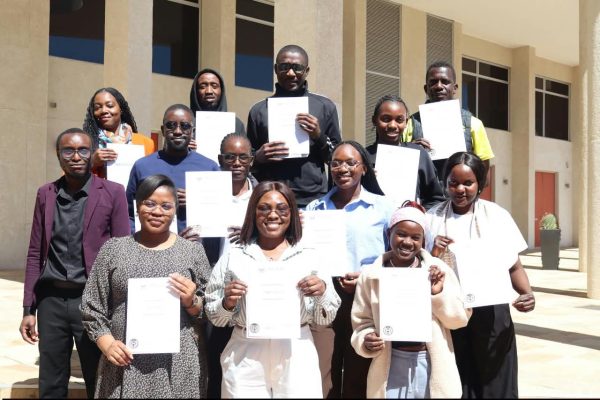
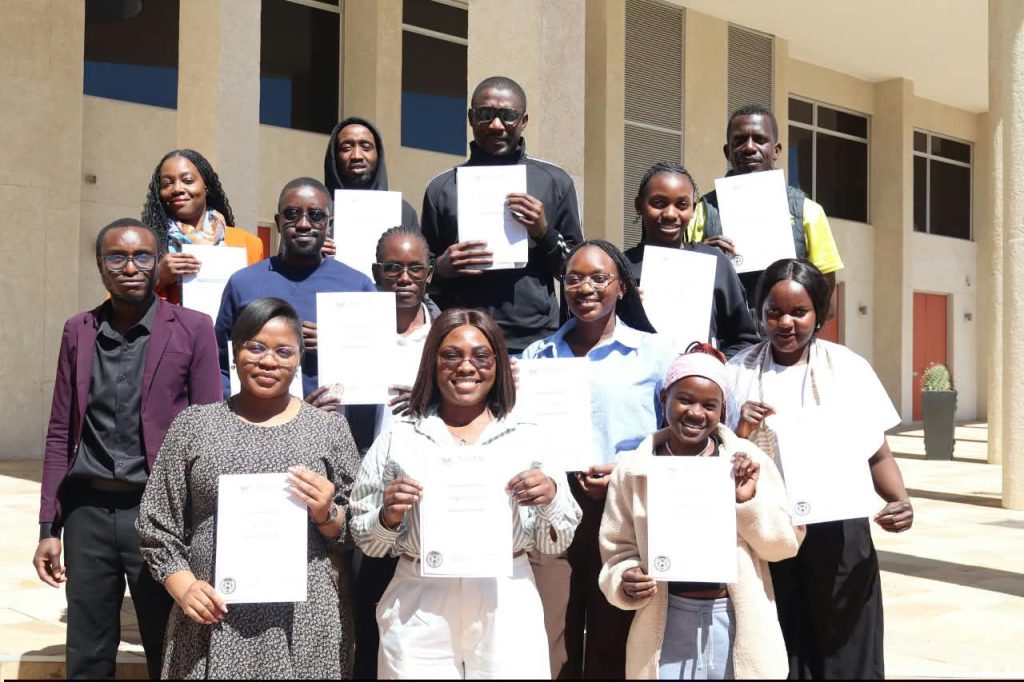
In order to bridge this gap between journalists, who are responsible for collecting and disseminating information to the public, and state officials, who are responsible for protecting state principles, identity, and order, the Namibia Institute of Public Administration and Management (NIPAM) has capacitated state and private media practitioners on protocols, etiquette, and the rules of diplomacy.
This initiative aims to promote better understanding and cooperation between the media and government officials, enabling both sides to carry out their responsibilities more effectively and smoothly.
Executive Director of NIPAM, Heroldt Murangi, indicated the need to have journalists capacitated and advanced when it comes to matters of the public sector.
Speaking during the Diploma and Protocol Training for media, Murangi indicated that the media are important strategic partners who should not only be called when there is information to be disseminated, but engaged beyond news.
The training looked at the state protocols, the event arrangements, rules, and etiquette in covering the state’s events, nationally and internationally.
The facilitor, Shepherd Nyambe indicated that, “it is important for journalists to understand the state protocols and avoid the clashes between them, protocols and state security officials.”
Nyambe explained that as far as journalists are free to work and collect information that updates the public, there must be coordination and clear information between standing protocols and avoid diplomatic embarrassments on national and international platforms.
The interactive training has also covered common national and international diplomatic embarrassments, the timing of questioning, and the line between accountability and privacy.
During the engagement, journalists raised questions regarding the clashes between political reporting and state officials, the issues of clothing and arrangements in the organisation, position and common respect between the state event organisers and journalists.
One of the participants, Priscilla Mukokovi, indicated that the diplomacy, protocol and etiquette training reminded her that journalism goes beyond reporting facts it also requires professionalism, respect and ethical engagement.
“It strengthened my understanding of cultural awareness and diplomacy, helping me communicate effectively with sources while maintaining fairness, accuracy, and journalistic independence,” she said.
Senior journalist, Jemima Beukes expressed that “the state apparatus knew what to do during the periods of Hage Geingob and President Pohamba. Now, you hardly get a response into the senior public figures; there seems to be a shutdown when it comes to the media.”
Beukes said the continuation of training between the stakeholders will end a hostile attitude toward the media.
She further noted the exitance of UNICEF guidelines on how to work with the media.
She also referred to the dilemma young journalist face when facing public leaders due to the cultural upbringing where in the African culture, the young are expected to address an elder in a particular way.
While as a journalist, you are expected to ask questions that force accountability from leaders.