



By: Annakleta Haikera
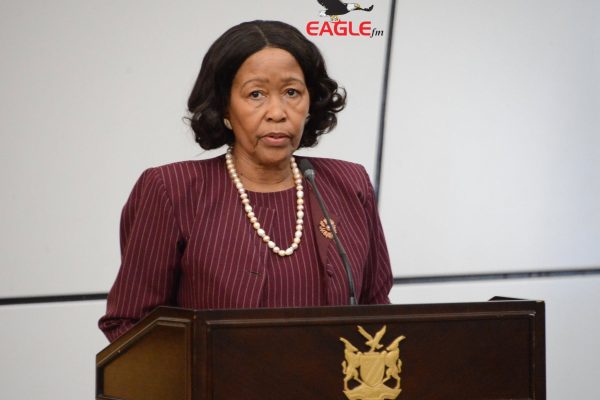
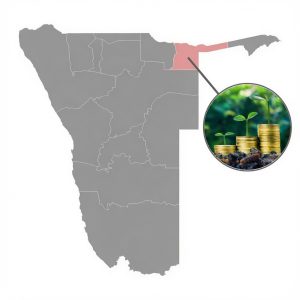
During the State of the Region Address last week, Kavango East governor Hamunyera Hambyuka said the region will expand youth empowerment programmes during the 2026/2027 financial year.
The Region plans to train 249 young people and finance another 340 through the Namibia Youth Credit Scheme.
The Region will also support three youth-owned enterprises and enroll 120 trainees at the Frans Dimbare Rural Youth Skills Training Centre.
Hambyuka said the region continues to prioritise youth development through skills training, entrepreneurship and education.
During the 2025/2026 financial year, the Frans Dimbare Rural Youth Skills Training Centre enrolled 96 unemployed youth in January 2025, with 90 completing their training in May.
A further 101 trainees enrolled in February 2026 and are expected to complete their programmes during the current financial year.
The centre offers training in Bricklaying, Welding, Plumbing, Joinery, Agriculture, Hospitality, Clothing Production and Computer Office Administration.
Hambyuka said 91 young people were trained in entrepreneurship under the Namibia Youth Credit Scheme and are expected to receive funding during the 2026/2027 financial year.
The UNICEF-funded Skills 4 Girls initiative equipped 50 vulnerable girls aged between 15 and 24 with financial, digital and life skills, while the UPSHIFT programme supported 25 young social innovators.
A mushroom production project involving 10 young people has also been established at Frans Dimbare and is expected to begin production soon
.
Through the National Youth Development Fund, administered by Agribank, 183 applications were received from the Kavango East Region.
Five projects worth a combined N$1.3 million were approved, with funding already being disbursed. The projects are expected to create about 19 jobs.
The governor also highlighted social empowerment initiatives, saying 8,843 young people accessed services at the youth-friendly clinic, including family planning, antenatal care and sexually transmitted infection screening and treatment.
In addition, 1,580 out-of-school youth participated in the Comprehensive Life Skills Programme aimed at reducing HIV infections and preventing gender-based violence.
Despite these achievements, Hambyuka said the region continues to face challenges, including limited hostel accommodation at the Frans Dimbare Training Centre, inadequate infrastructure and equipment for short courses, and an ageing vehicle fleet.
On higher education, the Namibia University of Science and Technology (NUST) Rundu Regional Centre recorded a 55% increase in student enrolment, rising from 159 students in 2025 to 256 in 2026.
However, the governor noted that the centre operates from rented premises, limiting its expansion, and said the regional leadership is committed to assisting NUST in securing land for a permanent campus.
Meanwhile, COSDEC Tukurenu enrolled 260 trainees from 10 regions and recorded high completion rates across several vocational programmes.
The Go Green Project trained 54 unemployed women and youth in urban horticulture, while the Social Security Commission Development Fund allocated N$1.4 million for a six-month woodwork training programme benefiting 21 unemployed Namibians.
Hambyuka added that the Ruyendo Cultural Group in Bagani received N$8,000 in support, while two young people from Kavango East completed gemstone cutting and polishing training in Karibib.
He said the region will explore opportunities to establish a local jewellery industry and strengthen support for cultural groups.
Young people in the region welcomed the planned interventions, saying access to training and finance remains critical for those who want to start small businesses or learn practical skills.
“Many of us finish school and sit at home because we do not have money to continue with studies or start something,” said Mathew Kudumo in Rundu.
“If the region can really support training and funding, it will change lives,” Kudumo added.
Meanwhile, another member of the youth, Maria Hamutenya, said the skills programmes give hope to unemployed youth, especially girls who want to become independent.
“When we learn digital skills, business skills and trades, we can support ourselves and help our families,” she said.
Johannes Mutesi, a young entrepreneur from Bagani said more support for local businesses and cultural projects would help youth create jobs in their own communities.
“We do not want to wait for opportunities elsewhere. We want to build something here in Kavango East,” he said.
According to reports, youth unemployment remains one of the biggest challenges facing the Kavango East Region, with the regional government estimating that more than 60 percent of young people are unemployed.
Over the past few years, the region has prioritised skills development, entrepreneurship and access to finance through programmes such as the Frans Dimbare Rural Youth Skills Training Centre, the Namibia Youth Credit Scheme, the National Youth Development Fund and partnerships with organisations including UNICEF and the Social Security Commission.