
By: Peneyambeko Jonas
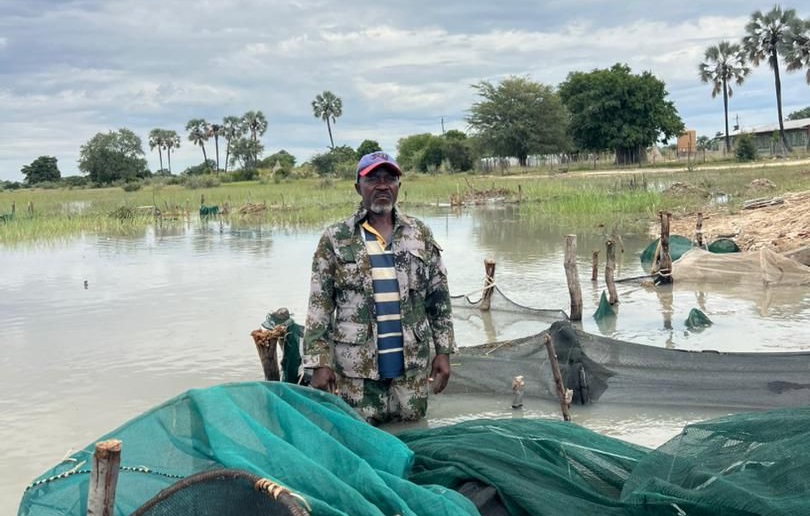
On Sunday, 2 May 2026, Eagle FM visited Onghala village in the Ongenga constituency of the Ohangwena Region, where local fishermen shared both their successes and the growing challenges threatening their livelihoods.
Fishing in Onghala is more than just an economic activity, it is a lifeline. Community members depend on it to feed their families, support their neighbours, and earn an income by selling fish locally and to nearby markets. For many, especially unemployed youth, fishing has become a form of self-employment in an area where job opportunities are limited.
However, this year has proven particularly difficult.
Friedrich Natangwe, one of the local fishermen, explained how climate conditions are affecting their work. “When we see the sky showing signs of rain and we have caught a lot of fish, the best way to avoid them getting spoiled is to distribute them to our neighbours,” he said.
Drying fish is a key preservation method in the area, but cold weather and rain make the process difficult, often leading to losses.
Natangwe added that he has been fishing since 2023, and the activity has significantly improved his livelihood. “Fishing has helped me earn money to take care of my needs, improve my living standards, and provide food for my family,” he said.
Despite these benefits, he noted a worrying change in environmental conditions.
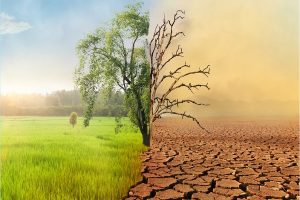
“For the past two years, we had very good fishing seasons. There was enough water, and we could set our fishing nets and fish for a long time. But this year, the water is drying up very fast, which is affecting our fishing,” he explained.
In addition to environmental challenges, fishermen in Onghala are also dealing with acts of theft and vandalism.
Ismael Nghalipo, another fisherman, expressed frustration over recent incidents where his fishing equipment was deliberately damaged. “I have been fishing for quite a long time now, but this year we faced a major challenge; our fishing nets were destroyed, and our fish were stolen,” he recounted.
Nghalipo emphasised the impact of such actions on their already fragile livelihoods.
“If only they could take the fish and leave the nets intact, that would be better. Now we have to buy new nets and repair the damaged ones, which is extra work and expenses when we should be focusing on fishing,” he stressed.
To that, he spoke to the broader socio-economic context in the village. “Youth in Onghala are facing unemployment, and what we are doing here is creating self-employment to feed our families. Now there are people destroying our nets; we are very angry,” he expressed.
According to Nghalipo, his fellow fishermen are operating legally and with the knowledge of authorities.
“We are not here by ourselves; we were placed here by government officers from NAMFISH Ongwediva. If people think we are doing something wrong by fishing, they have no right to destroy our nets,” he added.
The combination of climate change and human interference places considerable pressure on the fishermen, threatening both their income and food security. Yet, despite these hardships, the community remains resilient.
Natangwe concluded on a determined note, stating that they will not give up. “Even with these challenges, we will continue with our work,” he said.
However, he acknowledged that the fishing season may soon come to an end as water levels continue to drop. “Now that the water is going down, fishing with nets will stop, and we will have to use other fishing methods,” he explained.
The situation in Onghala village reflects a broader struggle faced by many rural communities that depend on natural resources.
While fishing continues to provide hope and sustenance, the combined effects of climate variability and criminal activity highlight the urgent need for support and protection for these small-scale fishermen.