



By: Sonja van Kradenburg
The future of work in Namibia will not be defined solely by technology or efficiency, but by the wellbeing of the people who make organisations thrive.
Health and safety are no longer peripheral considerations, they are central to resilience, innovation, and trust. When leaders recognise that wellbeing is inseparable from performance, they begin to see safety and health not as compliance measures, but as strategic imperatives. A workforce that feels supported, aligned, and valued is the foundation on which sustainable success is built.
Namibia’s context makes this imperative even clearer. The Occupational Safety and Health Bill propose the creation of a national Occupational Safety and Health Commission to coordinate workplace safety across industries. This reform acknowledges that safety cannot remain a checklist exercise, it must be embedded into organisational DNA.
Safety, mental health, and emotional wellbeing are not separate initiatives to be managed in isolation, they are interdependent forces that shape the culture and performance of every workplace. When one pillar falters, the others inevitably weaken, underscoring the need for a holistic approach that treats wellbeing as a system rather than a series of interventions.
Consider the seemingly simple act of supporting an employee who reports fatigue. Providing rest, counselling, or temporary relief does more than address a single concern, it reinforces psychological safety, strengthens operational safeguards, and protects overall wellbeing.
These small, intentional actions, when embedded into daily practice, accumulate into something far greater: a culture of trust, resilience, and shared responsibility. In this way, wellbeing becomes not just a benefit to employees, but a strategic advantage for organisations prepared to lead into the future.
Beyond professional counselling, organisations can empower employees to support one another emotionally and mentally. Sometimes, a sincere conversation with the right colleague makes all the difference.
This peer-to-peer support builds resilience and reinforces a culture of care. It also signals that wellbeing is not the sole responsibility of leadership or HR, but a shared commitment across the organisation.
Collaboration and co-creation flourish when there is genuine understanding of the needs and concerns of all parties. Continuous communication, supported by strong feedback loops, is the enabler.
Intentional face-to-face engagement, employee representatives, surveys, and reporting mechanisms all help capture the true voice of employees. Trust in leadership grows when feedback is acknowledged promptly, even if the issue cannot be resolved immediately.
What matters most is that people feel seen, heard, and valued. Often, those closest to the operational environment already hold the insights needed to improve systems and processes.
Our role as leaders is to listen and act.
Embedding safety into existing processes ensures it becomes a continuous, integrated part of how work is done. When safety is treated as a stand-alone requirement, it risks being reduced to a compliance task, completed once and forgotten.
True safety culture is built through transparency, timely feedback, and consistent follow-through. It creates psychological safety and nurtures inclusivity. Keeping standards simple and supported by proactive planning reduces the pressure to take shortcuts just to finish the job.
The path ahead for Namibia is not simply about adopting new policies or ticking compliance boxes, it is about reimagining the very fabric of work. The Occupational Safety and Health Bill is an important milestone, but legislation alone cannot create resilient workplaces.
That responsibility rests with leaders who choose to act with intention, leaders who see wellbeing not as a program but as a culture, not as a cost but as an investment.
Namibia’s workforce is its greatest resource. By embedding safety and wellbeing into organisational design, leaders can unlock the creativity, resilience, and collective energy needed to drive sustainable growth in a rapidly changing economy.
The challenge is urgent, but the opportunity is immense: to build workplaces that not only protect people, but empower them to thrive.
Those who embrace this vision will define the future of work in Namibia, not through efficiency alone, but through humanity, trust, and shared purpose.
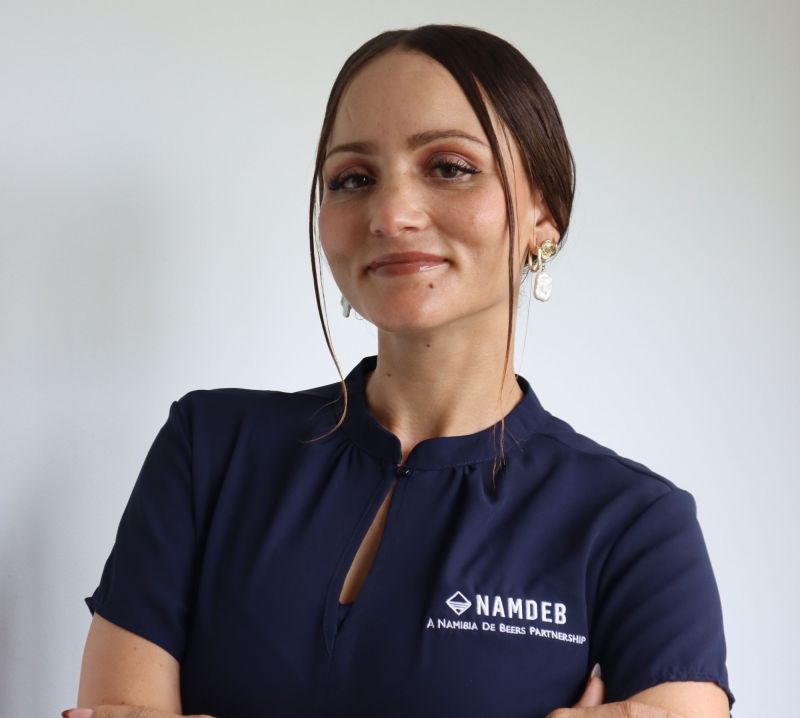
Sonja van Kradenburg is a Risk, Compliance and Reporting Manager at Namdeb