


By: Loise Shiimi
According to the latest market insights by High Economic Intelligence (HEI), the City of Windhoek approved 163 building plans in February 2026, with a combined value of N$145.8 million.
This resulted in a month-on-month recovery from the seasonal slowdown observed in January 2026, when only 109 plans were approved.
On a year-on-year basis, building plan approvals rose by 8.0%, up from 151 plans approved in February 2025. This indicates a modest yet positive expansion in the construction sector.
The February 2026 approvals were primarily driven by additions and alterations, which accounted for 115 of the building plans, valued at N$54.2 million.
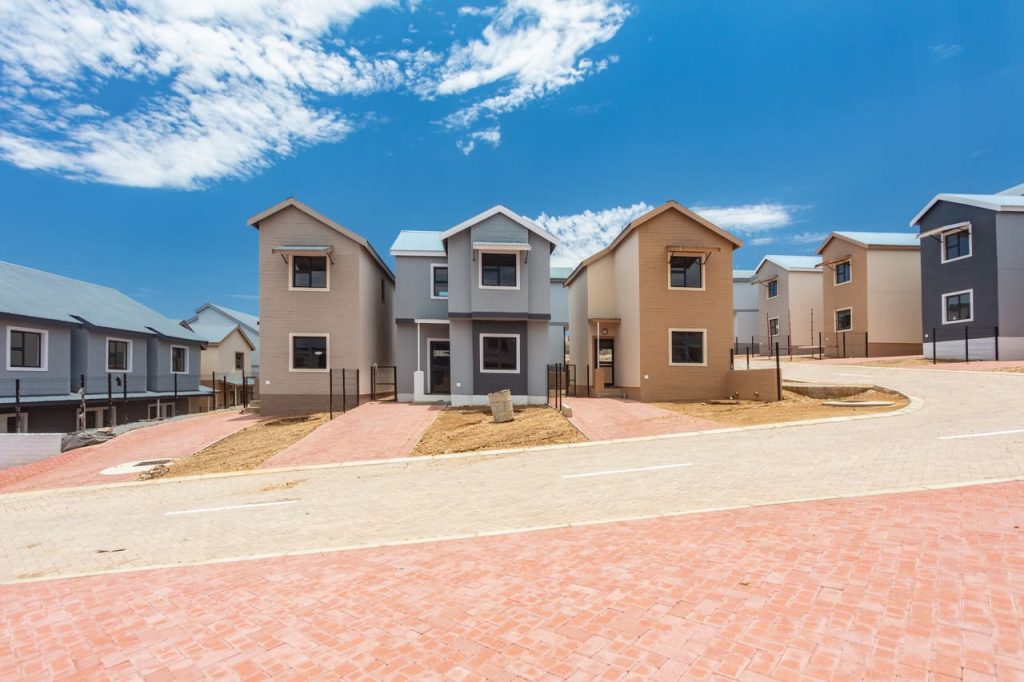
Notably, residential housing emerged as the main contributor to the approval value, with 28 homes approved for a combined total of N$65.1 million. In contrast, commercial developments remained limited, with only 7 projects approved, valued at N$25.5 million.
Additionally, there were 12 wall structure approvals valued at N$0.94 million and one pool project valued at N$0.08 million, representing the remainder. In terms of industrial and public sector projects, no plans were approved during February.
Risto Shipanga, a real estate agent, provided insights into the lack of industrial and public sector approvals, explaining that the decline in new industrial properties should not be misconstrued as a failure in the sector. Instead, it highlights the need for stakeholders to seek improved strategies for revitalisation.
“There is a necessity for partnerships among financial institutions, contractors, and the government to collaborate and strengthen this sector,” stated Shipanga.
He also pointed to the opportunities within the sector, noting that schools, hospitals, stores, and roads are all products of construction.
“As our population continues to grow, there is an increasing demand for housing. If you observe various towns, you will notice contractors actively engaged in building; these ventures present significant opportunities. Some individuals are searching for rental properties, while others are focused on renovations; all of these represent chances we must capitalise on,” he remarked.
He concluded by urging collaboration within the sector, emphasising that cooperation and the exchange of ideas would enhance overall outcomes.
In terms of completed projects, 21 buildings saw completion in February 2026, valued at N$21.8 million, more than double the 10 completions recorded in January.
Most completed projects were concentrated in additions and alterations, comprising 13 completions valued at N$6.3 million. This was followed by the completion of 5 residential houses totalling N$12.4 million, one commercial building valued at N$3.0 million, and two wall structures worth N$0.11 million.
Overall, construction activity in February 2026 demonstrated a positive trend, with both approvals and completions exhibiting widespread improvement in the sector.