


David Shoombe
Namibian trade analysts indicate that Namibia’s national developmental priorities may be delayed as a result of the nation’s economic vulnerability to being affected by global conflicts.
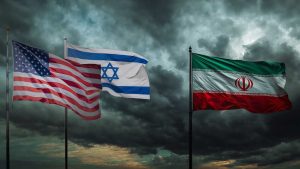
With the ongoing attacks of US-Israeli forces on Iran, the threat of the closure of the vital Strait of Hormuz has raised concerns for import-dependent nations such as Namibia, as the potential of an oil price hike looms. According to the Energy Information Administration (EIA), nearly 20 million barrels of oil pass through the Strait of Hormuz daily, accounting for nearly 30% of the global oil supply, making it a strategic point for global oil transportation.
Independent economic researcher Josef Sheehama indicated that Namibia’s total imports from gulf nations such as Oman, Saudi Arabia and Qatar amounted to about N$1.6 billion by mid-2025, which he says illustrates dependence on these nations for petroleum products and other commodities. “It is very painful and we are going to feel it,” stated Sheehama in relation to side effects of conflicts around key nations.
He advised that Namibia diversifies its economy as a defence mechanism, sharing that “Namibia can try to mitigate [the effects], and we need to think about boosting renewable energy such as green hydrogen in order to support Namibia’s energy system.” Sheehama added that a lack of diversification could cause delays to Namibia’s domestic development plans.
International trade analyst Johnson Shilongo echoed these sentiments by expressing that Namibia’s economic vulnerability will continue until such diversification. He added that the nation’s inability to function without importing over half of its electricity and all of its refined oil and related products from international counterparts makes it all the more susceptible to being affected by global conflicts.
Shilongo noted that “Namibia will be continuing to suffer what it could have avoided and will be weakened in the trade negotiations if it continues to have its economic backbone dependent on the mercy of the external world.” He further advised that Namibia follows examples of nations such as Zambia, which acquired stakes in Angola’s proposed Lobito Refinery Project in 2025.
The latest trade balance data from the Namibia Statistics Agency indicates that petroleum topped the list of imported products for the month of January 2026, accounting for 16.9 percent of total imports.