


By: David Shoombe
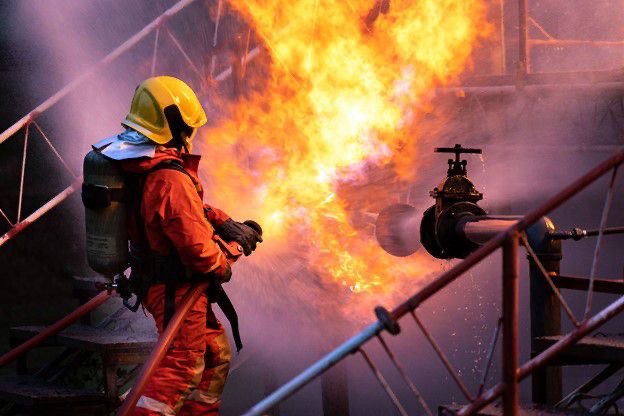
Emerging industries in Namibia, such as oil and gas, green hydrogen, and the floated potential of nuclear energy require industrial risk reduction professionals to contain hazardous situations in times of need, note analysts.
Ngolombe Paulus, a risk reduction professional, indicates that the disaster risk management field is more than responding to natural disasters such as floods, drought, or diseases, as the field is expanding to industrial research, capacity building, and post-disaster actions.
Paulus explained that Namibia needs to build more capacity in the form of expertise in disaster risk management. Commenting on the case of the Etosha veld fires of 2025, which engulfed 30% of the national park, he said the situation could have been handled better.
“It was a mess. There is a need for people with capacity to be documented and respond to specific hazards such as fire in Etosha National Park,” Paulus noted.
Andrew van Wyk, a scientist, echoed the capacity-building sentiments, stating that immediate action ought to be taken in that regard for disasters in Namibia to be dealt with more efficiently.
“The world has changed, climate change is non-negotiable, and when we are observing the development in South Africa, Mozambique, and Zimbabwe, where over 100 people became casualties of deadly floods, we must learn and ask ourselves what we will do in that situation,” he remarked.
Van Wyk explained that Namibia is not an exception to climate change impacts, encouraging that Namibia acts now “to avoid damage of properties and protect lives.” Adding that “Namibia cannot build a nuclear plant without professionals in industrial risks.”
He referenced how Japan was able to prevent more deaths after the nuclear plant explosion in Fukushima in 2011 due to their ability to respond with competent professionals in disaster risk management.
Namibia is on its path to development, with the very ambitious sixth National Development Plan (NDP6) to create 500, 000 jobs by 2030 and capitalise on the new industries. However, the qualifications and training of personnel in critical industries are still questioned to deliver the plan’s aspirations.
The 2024 Oil and Gas Industrial Baseline Survey Report, compiled by Deloitte, shows that there is no local supply of qualifications in Namibia in the area of petroleum studies and industrial processes.
Industrial process qualifications include risk management, with specialised courses, certificates, and degrees focusing heavily on identifying hazards, assessing risks like fire, explosion, toxicity, implementing controls, and ensuring regulatory compliance for operational safety in sectors like oil & gas and chemicals.