
Photo: Contributed
By: Nghiinomenwa-vali Hangala
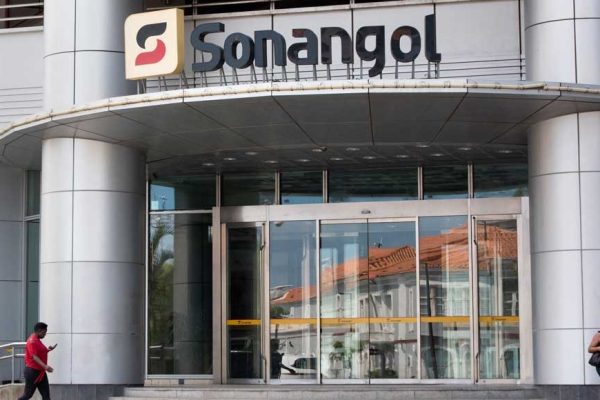
Angolan National Oil Company Sonangol is contemplating privatising around 30% of the company through a public listing (Initial public offering).
According to Prospect, the market intelligence arm of Energy Capital & Power, which covers energy and mining matters.
Prospect has indicated that the state oil company intends to leverage higher oil production and new refineries to raise its value before share prices are set.
However, the Angolan government has indicated that it will only support the listing if the company can support it, according to Prospect insights.
Sanangol has been making moves, borrowing $2.5 billion this year to help pay for its expansion, and executives say the government will sell shares only once Sonangol’s performance can support a listing.
Sanangol Executive Board Member Osvaldo Inácio said at African Energy Week (AEW) in Cape Town in October that privatisation remains on the company’s agenda.
“We want to make sure that we do it in a way that, when you buy your shares, you are happy with the performance of those shares,” he said.
Prospects have indicated that the value of the listing will rest on the projects the company delivers over the next four years.
Sonangol holds interests in 48 concessions and operates 11 of them.
The company is now calling for every commitment to translate into production and efficiency.
New offshore projects are expected to supply much of the growth.
Sonangol holds a 20% stake in Kaminho, a deep water oil project led by TotalEnergies and due to start production in 2028.
The company also operates the Katambi gas discovery, where a well tested in August strengthened the case for development.
As a result, the next four years will give investors a record on which to judge Sonangol, with Kaminho scheduled to start production in 2028 and Lobito due for completion in 2029.
Prospects noted that if both projects are delivered on schedule, the government will be able to bring Sonangol to market with rising output and a domestic refining business.
Adding that a successful listing would also give other African governments a working example of how to open a national oil company to private shareholders.
The approach makes Sonangol an early test of how an African national oil company can use capital markets to fund its growth and attract private shareholders.
Sonangol has turned to lenders and bond investors to fund its plans as it prepares for the IPO, according to Prospects insights.
In January, the African Export-Import Bank closed a $1.75 billion facility for the company, backed by its oil export revenue, and Sonangol raised a further $750 million through its first international bond.
Sonangol is also investing in refineries to reduce Angola’s dependence on imported fuel, which the country’s leaders described as a growing risk for the country.
The largest project is the Lobito refinery, which will process 200,000 barrels per day and was about 26% complete in September.
Sonangol is seeking $4.8 billion from Chinese lenders to continue construction, Prospect has reported, with completion expected in 2029.
erastus@thevillager.com.na