

Photo: Contributed
By: Peneyambeko Jonas
Children with disabilities face barriers to education and skills development in Namibia, limiting their future employment opportunities and economic participation.
Disability advocates say inclusive education is essential to developing human capital and ensuring that no potential contributor is left behind in the country’s workforce.
The issue has renewed attention following calls to the government and disability organisations for more accessible infrastructure, inclusive education and equal treatment of persons with disabilities.
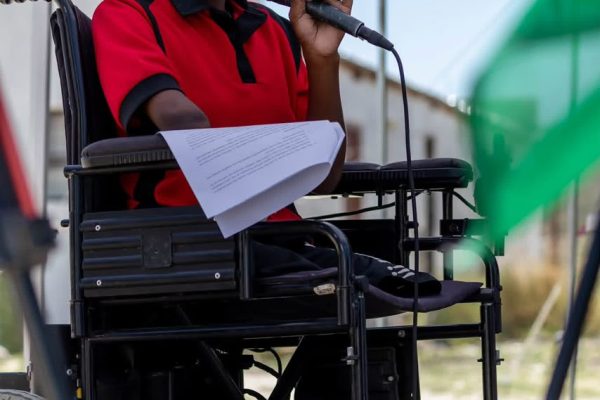
At a Christmas celebration for persons with disabilities which took place at Omalindi-Oshifukwa in the Oshikoto Region, Vice President Lucia Witbooi emphasised the need to change how society views and treats people living with disabilities.
Speaking on behalf of President Netumbo Nandi-Ndaitwah, Witbooi said persons with disabilities should be recognised for their abilities, talents, aspirations and contributions rather than defined by their limitations.
The celebration was held under the theme, “Know me for my ability, but not for my disability.”
The Vice President reaffirmed the government’s commitment to creating an inclusive society where persons with disabilities have equal opportunities, access to essential services and the ability to participate in national development.
This commitment also extends to education, where children with intellectual and developmental disabilities require learning environments that accommodate their individual needs.
Founder of Circle of Hope Private Academy (COHA), Victoria Joel, recently highlighted the challenges faced by children living with Autism Spectrum Disorder, Down syndrome and other intellectual disabilities.
Speaking to Eagle Media House during the academy’s eighth anniversary fundraising gala dinner at Protea Hotel in Ondangwa, Joel said some children are isolated in their homes, often referred to as omalayi, by their families and communities.
She said these children deserve opportunities to learn, develop and participate in society like any other child.
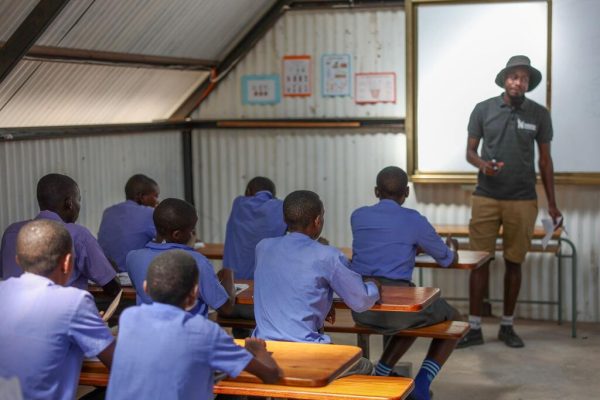
Joel explained that COHA employs specialised teachers who provide education suited to individual learning needs, abilities and learning styles.
The academy’s approach highlights the importance of specialised education in helping children develop skills, build confidence and improve their prospects of participating in economic and social activities later in life.
However, providing inclusive education requires more than enrolling children in schools. It also involves investment in trained teachers, appropriate learning materials, accessible classrooms and support services.
Without these resources, children with disabilities risk being excluded from opportunities that could help them become independent and productive members of society.
Speaking at the Kufamosha Information Disability Centre’s Christmas celebration, Welhelmina Kashima also emphasised the importance of accessible buildings and equal treatment.
She explained that the annual event provides persons with disabilities with an opportunity to express themselves, socialise and celebrate their abilities.
Kashima further highlighted the role of families and caregivers, saying children and adults with disabilities should not be hidden or isolated but given opportunities to participate in community activities.
Her remarks point to a broader economic concern: exclusion limits the development of human potential.
“When children are denied education and opportunities to acquire skills, their chances of securing employment, earning an income and contributing to the economy may also be reduced,” she concluded .
The government’s efforts to address these barriers include the development of the Namibia Disability Accessibility Standards, which were discussed at a national validation workshop in Tsumeb on 29 October 2026.
The workshop, involving the Namibia Standards Institution, the National Disability Council of Namibia and other stakeholders, seeks to establish standards for accessible buildings, infrastructure, information and services.
The proposed standards are expected to guide planning, construction and service delivery, including improvements that make public facilities more accessible.
penny@eaglefm.com.na