

Photo: Contributed
By: Nghiinomenwa-vali Hangala
Updates from the 56 Oil & Gas Decarbonization Charter (OGDC) members have revealed that 42 of their members have action plans to reduce their emissions, including routine flaring.
TotalEnergies, which controls a big stake in various blocks that have discovered commercial oil reserves in Namibia, provided the update this week.
Launched at COP28 and implemented by the Oil and Gas Climate Initiative (OGCI), the Oil & Gas Decarbonization Charter is a global industry pledge to accelerate the reduction of Scope 1 and 2 emissions across the oil and gas sector.
The update shows that the number has increased up from 37 last year and is 40% higher than in the 2024 Baseline for Action report.
More ambitions backed by plans: 46 signatories, covering 96% of OGDC production, have now set interim 2030 Scope 1 and 2 emissions ambitions, up from 42 last year.
On 1 November, 22 CEOs from OGDC signatory companies gathered in Abu Dhabi for the third annual OGDC CEO Gathering ahead of ADIPEC to review progress and priorities through 2030.
The meeting has revealed the highest reporting participation to date, with 52 of the 56 signatories that were members during the reporting period submitting data, up from 50 last year, covering 97% of OGDC-operated production.
Four signatories reported their operational emissions for the first time, and another national oil company set its emissions baseline and shared data with OGDC for the first time.
35 of the signatories, accounting for 84% of OGDC-operated production, have allocated capital to support their interim goals, and half say their budgets now cover their entire roadmap.
In addition, in 2025, 34 signatories reported approximately US$28 billion in lower-carbon investments and acquisitions.
Focus on methane and flaring: 39 signatories now have methane action plans, up nearly 60% since the 2024 Baseline for Action report, the update revealed.
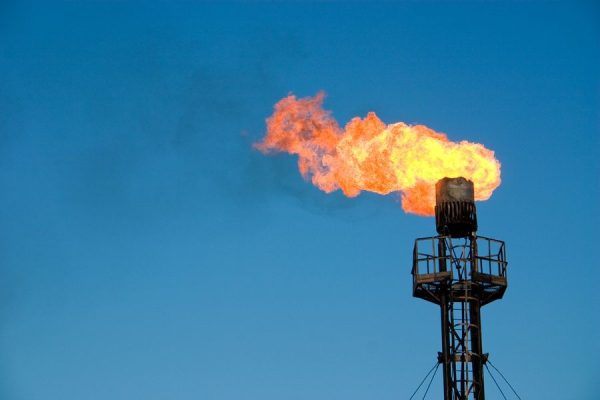
While 42 signatories, representing 90% of OGDC-operated production, have action plans to end routine flaring, up 75%.
To avoid beating their own drums, the update indicated 39 signatories, covering 92% of OGDC-operated production, have individual third-party verification procedures in place for their emissions data, and EY independently reviewed company disclosures and supporting evidence.
21 signatories now use direct measurement technologies for most of their reported methane emissions, and a further 18 use them for some of their reported emissions.
TotalEnergies has explained that their progress in reducing their emissions and reporting under the OGDC is the Collaborate & Share program, which enables companies at different stages of their decarbonization journey to share experience, build technical capabilities, and access practical support.
The Charter has 55+ signatories with operations in over 100 countries. Together they account for around 1/3 of global oil production (or if gas is included, around 35% of global oil and gas production).
Of these, 34 are national oil companies and 22 are international oil companies and independents.
As of November 2026, OGDC comprises of 57 companies with assets in 100+ countries, representing one-third of global oil production.
Signatories aim to achieve net-zero operations by or before 2050, near-zero upstream methane emissions and zero routine flaring by 2030, and transparent disclosure of 2030 Scope 1 and 2 emissions ambitions.
Signatories to the charter also undertake to report on progress in accordance with internationally recognised frameworks, share best practices to reduce emissions, and invest in the energy systems of the future.
erastus@thevillager.com.na