




By: Peneyambeko Jonas
Concerns over rising household debt, loan deductions and lending practices took centre stage at a public hearing in Oshakati on Monday, 17 August 2026.
Parliamentarians examined whether Namibia’s existing laws adequately protect borrowers from exploitation by lending institutions and informal moneylenders.
The hearing, held at Leo Shoopala Hall, was organised by the Parliamentary Standing Committee on Economy and Industry, Public Administration and Planning (EIPAP).
The committee is consulting the public as part of its consideration of the motion on whether existing laws are truly protecting Namibians from exploitation in the lending market.
Welcoming participants, Theopolina Mbangula, Director of Planning at the Oshana Regional Council, said public participation is necessary when laws are amended or new legislation is considered.
She said the consultation should help determine whether existing cash loans are properly regulated, whether their costs are reasonable, and whether repayment obligations reflect the earnings of ordinary Namibian workers.
“Are they regulated properly? Are they milking us? Are they fair enough and resonate with the earnings of an average salary of any Namibian person?” Mbangula asked.
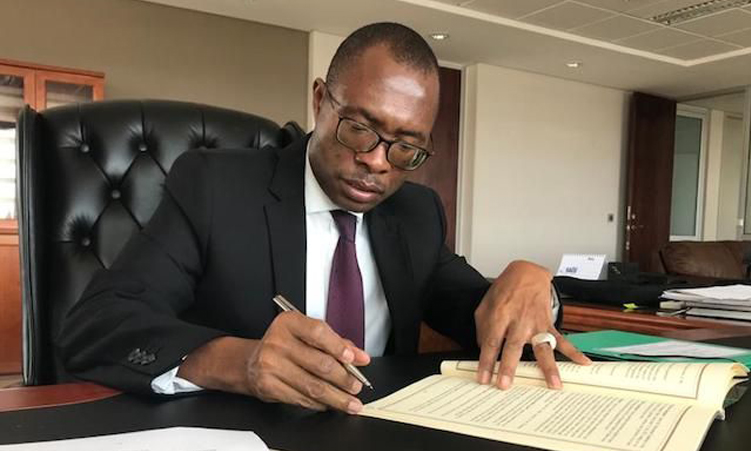
The concern was further outlined by committee chairperson Iipumbu Shiimi, who said Parliament has received concerns about households carrying high levels of debt.
Shiimi said some workers are left with very little disposable income after loan deductions, despite earning reasonable salaries.
He gave an example of a worker earning N$10,000 a month but taking home only about N$1,500 after deductions.
“Our population, families and households are hunted. They have too much debt,” Shiimi said.
According to Shiimi, excessive debt is no longer only a financial issue. He said it is affecting families, workers’ mental well-being and productivity in the workplace.
He said the committee has been tasked by the National Assembly to investigate the reasons behind the high levels of indebtedness and to understand whether the current regulatory framework is working as intended.
Health assistant and civil servant, Michael Amakali, said many borrowers enter loan agreements without fully understanding the financial consequences.
He called on NAMFISA and other institutions responsible for enforcing lending laws to strengthen public education and ensure that borrowers are protected.
Amakali also questioned whether lending rates take workers’ income levels into account.
I am a civil servant on Grade 13, and when I am being lent money, I am charged the same rate as the director. I think they should compare the salaries and the rates,” he said.
Abel Mazila, Chief Development Planner at the Oshana Regional Council, questioned why lenders continue granting loans when borrowers have already reached the maximum repayment capacity allowed by their income.
“If his payslip reaches maximum capacity, why can’t regulated institutions refuse to lend, regardless of the profits and interest they will earn?” Mazila asked.
He said excessive deductions reduce household disposable income and limit people’s ability to meet basic needs and participate in the wider economy.
“It is very sad when you see someone earning a net pay of N$16,000, but what lands in his bank account is maybe N$5,000 only. Who is to be blamed there?” he said.
Mazila also raised concerns about home-loan costs, saying a property valued at N$1 million can result in repayments of about N$2 million over the loan period. He questioned whether such costs should be reviewed.
He further argued that existing laws are not always being followed consistently by financial institutions and lenders.
“The law is there to protect us all, but it’s like it’s been ignored and everything becomes free for all,” Mazila said.
He also called for stronger financial literacy, particularly among workers who enter employment without having been taught basic personal finance.
Mazila said workers should understand concepts such as cash flow, borrowing costs and affordability before taking loans.
He said earning a higher salary does not necessarily protect people from financial difficulties if they spend beyond their means.
The public hearing is therefore examining both sides of the problem, the conduct and regulation of lenders, and the financial decisions made by borrowers.
The committee’s findings could inform Parliament’s consideration of whether changes to Namibia’s lending laws and regulatory practices are necessary.
penny@eaglefm.com.na