


By: Nghiinomenwa-vali Hangala
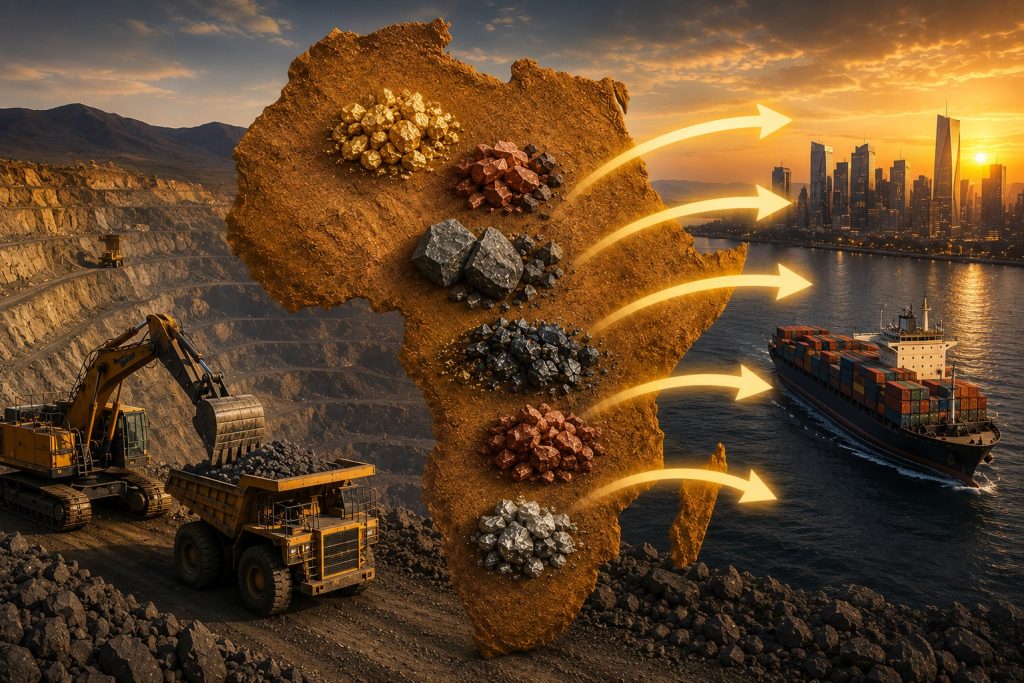
An analysis of foreign direct investment flows in 2025 shows that they mainly flowed to the extraction of minerals, hydrocarbons, energy infrastructure, and a few selected manufacturing activities.
The 2026 World Investment Report broke down investment trends around various African blocks (north, west, east and south) and the sectors they flowed to.
Foreign Direct Investment (FDI) inflows rose in several West African economies, supported mainly by investment in natural resources and energy, the report indicated.
Inflows to Guinea increased more than fivefold to about $8 billion, driven by mining projects in bauxite and iron ore and reinforcing the country’s growing role in global mineral supply chains.
Inflows to Nigeria rose to about US$4 billion, supported mainly by oil and gas–related deals, including a major project valued at about US$2 billion.
In Central Africa, FDI inflows decreased by 21%, from about US$6 billion in 2024 to US$4.8 billion in 2025.
However, those that came in remained closely linked to natural resources, particularly hydrocarbons and minerals, the report found.
Central Africa’s foreign capital mostly went to the Democratic Republic of Congo, receiving almost US$2 billion in 2025, despite conflict.
FDI inflows in East Africa were supported by continued investment in large projects and by activity in several Least Developed Countries (LDCs).
Ethiopia maintained inflows of about US$4 billion and recorded a significant increase in greenfield investment projects.
Uganda remained among the leading FDI recipients in African LDCs, with inflows reaching US$3.4 billion, supported by investment in oil refining and battery storage.
As for Southern Africa, FDI trends were mixed.
Mozambique’s inflows rose strongly to about US$6 billion, largely linked to projects in hydrocarbons and liquefied natural gas.
Angola returned to positive inflows of about US$1.1 billion, following negative flows in the previous year, supported by renewed activity in oil and gas.
By contrast, South Africa recorded negative inflows of about US$2.3 billion, primarily as a result of intracompany transactions.
While Algeria, Namibia, South Africa, Ethiopia and Nigeria, in that order, attracted large projects in hydrocarbons, refining, battery storage and industrial production.
FDI inflows in North Africa declined by 56%, from about US$51 billion in 2024 to US$22 billion in 2025.
Egypt and Morocco are the only countries last year who received massive foreign investment that wasn’t for minerals or oil and gas, the report revealed.
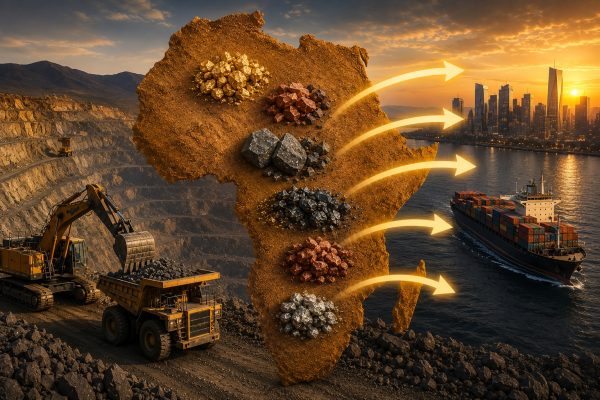
The report explained that foreign investment in Africa continued to be driven by hydrocarbons, liquefied natural gas–related activities, mining and renewable energy.
This reflects both the continent’s resource endowments and the scale of its energy and infrastructure needs, stated the report.
Furthermore, the report indicated that with the critical minerals strategic dimension, as demand for copper, cobalt, rare earths and other inputs linked to the energy transition and advanced technologies, a growing interest from international investors has been observed.
erastsu@thevillager.com.na