


By: Peneyambeko Jonas
The government of Namibia has committed N$200 million in equity as part of its direct support in developing the country’s second desalination plant.
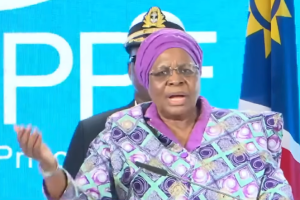
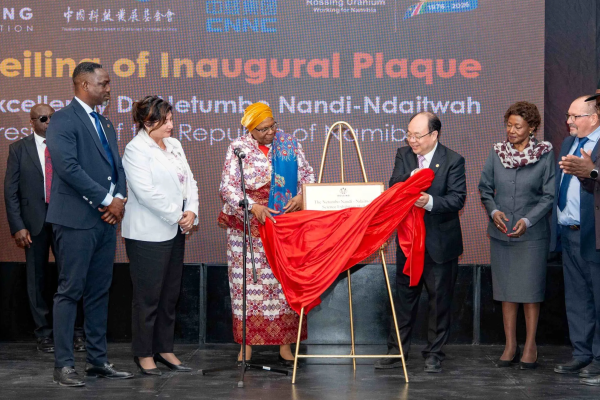
This is according to the country’s Prime Minister, Tjitunga Elijah Ngurare, during the launch of the Erongo Sunam Desalination joint venture company in Windhoek.
Ngurare stated that the N$200 million is an unambiguous statement of national commitment and confidence.
The desalination project’s total investment requirement is N$2.1 billion.
The desalination plant will be owned under a 70/30 shareholding structure.
Swakop Uranium is financing the bulk of the capital, while NamWater, the national water utility, leads implementation on behalf of the government.
The balance will be financed through a structured combination of equity and development finance, ensuring the project is both financially sustainable and efficiently delivered, while safeguarding the public interest at every stage.
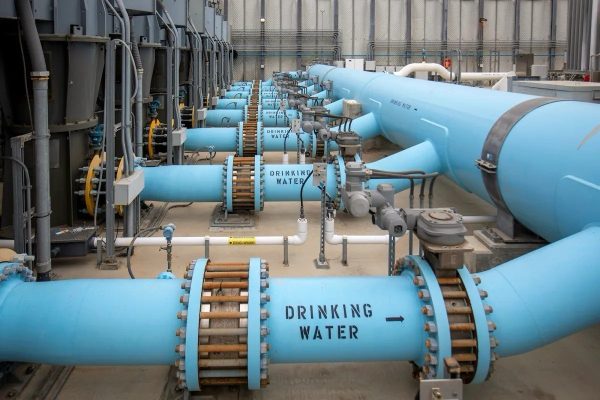
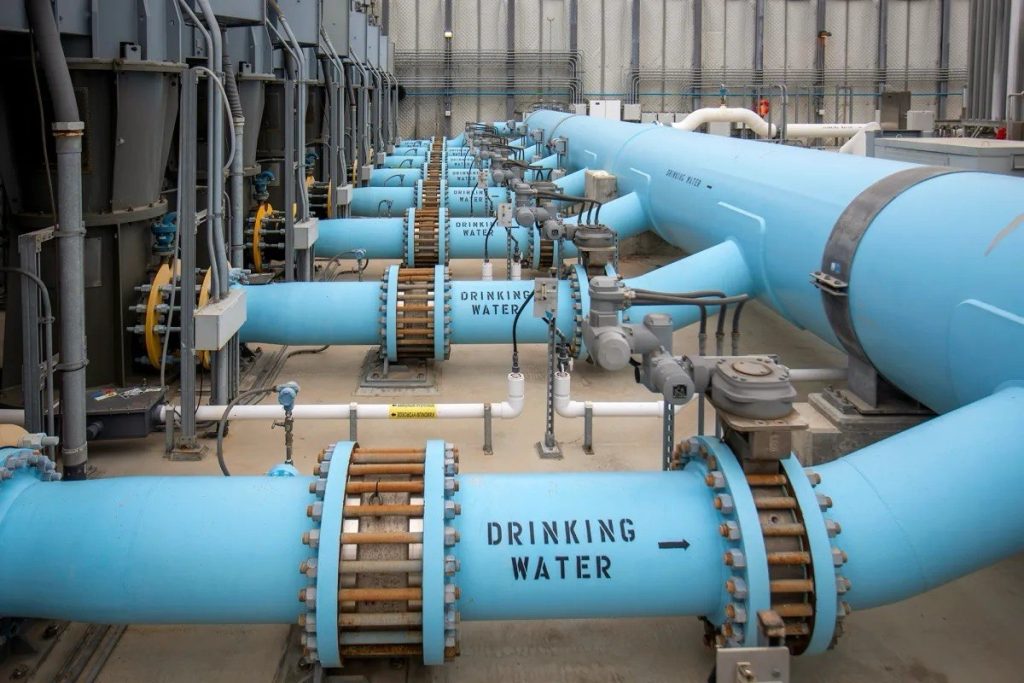
The planned desalination plant will produce approximately 20 million cubic metres of climate-independent water annually, primarily for industrial, municipal, and community use in the Erongo Region.
Speaking at the event, SUNAM Board Chairperson Luo Wei said the initiative represents a strategic response to Namibia’s long-standing water challenges, particularly those affecting mining and industrial expansion.
He said the project is not only an infrastructure investment but also a development platform expected to stimulate job creation, attract new investment, and support regional economic growth.
“This is an important milestone for our shareholders as it is for the Erongo Region and Namibia as a whole,” Luo Wei said.
He added that water scarcity has remained one of the key constraints to industrial development, especially in mining operations across the region.
Luo Wei emphasised that the project will be implemented with strict discipline, transparency, and a strong focus on national benefit.
He further noted commitments to localisation through skills development, procurement opportunities for local businesses, and long-term economic participation for Namibians.
Vice President of CGN Power Co.Ltd. Liu Haijun, described the project as part of a broader strategic partnership between China and Namibia grounded in shared development priorities.
He said water is a fundamental resource for sustainable development and economic resilience, noting that Namibia’s water challenges require long-term, innovative solutions.
“The project we officially launch today is a concrete outcome of that shared vision under the China-Namibia strategic partnership,” Liu said.
He added that the initiative extends beyond industrial supply, with intended benefits for households, agriculture, livestock farming, and community development.
According to Liu, the goal is to ensure that desalinated water contributes directly to improving livelihoods and strengthening food security across the region.
Government officials present at the launch welcomed the project, describing it as a key enabler of Namibia’s industrialisation and infrastructure development agenda.
They noted that a reliable water supply is essential for sustaining mining activities, expanding urban centres, and supporting future economic diversification.
Delivering the vote of thanks, SUNAM board member Benonia Rafaele expressed appreciation to all stakeholders involved, including government ministries, regional authorities, technical teams, and international partners.
She said the success of the project reflects collective effort and long-term cooperation among multiple institutions.
The Erongo SUNAM Desalination Project is expected to significantly enhance water supply stability in the Erongo Region, reducing dependence on traditional water sources and strengthening resilience against drought conditions.
Officials said the project represents a long-term investment in Namibia’s future, positioning water security as a foundation for sustainable economic growth and industrial development.
In addition, stakeholders highlighted that the project is expected to create both direct and indirect employment opportunities during construction and operational phases, while also strengthening local supply chains through procurement and service contracts.
Government officials reiterated that such infrastructure investments are central to Namibia’s long-term Vision 2030 and industrialisation strategy.
The partnership was further described as a model of international cooperation that balances economic development with social impact and environmental sustainability, particularly in addressing climate-induced water stress in arid regions like Erongo.