
By: David Shoombe
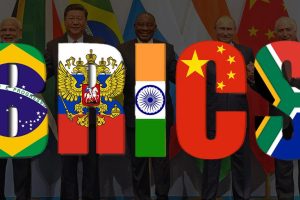
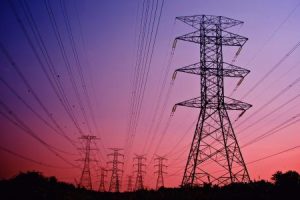
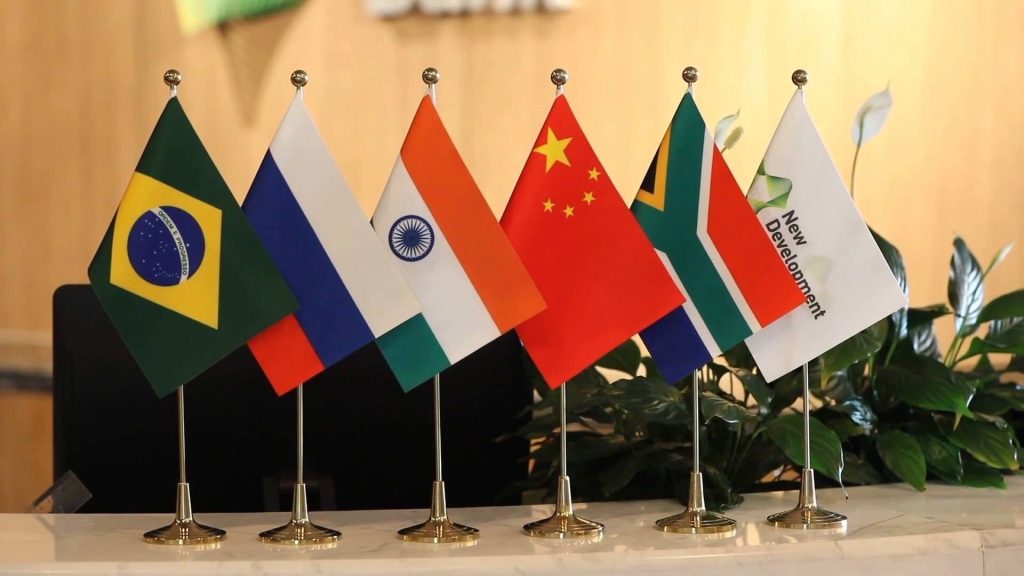
South Africa has secured a $1 billion loan from BRICS’ New Development Bank (NDB) for infrastructure upgrades to projects such as energy, roads and ports.
According to the bank, in the past 10 years it has approved 120 projects to the value of $40 billion in the Global South.
“In Brazil alone, NDB has 29 approved projects, with USD 7 billion in financing across vital sectors such as transport, clean energy, water and sanitation, health, and education infrastructure,” stated NDB.
NDB’s financial assistance to South Africa has consequently tested the viability of alternatives to the Bretton Woods institutions.
Following the 2008 global financial crisis, many countries in the Global South argued that these institutions often created dependency among developing countries and that their loans were accompanied by strict conditions. However, concerns about high interest rates and policy conditions have varied depending on the specific loan agreements and circumstances.
During the 2025 EU–AU Summit, United Nations Secretary-General, António Guterres, highlighted the risks associated with the growing debt burden of many African countries, stressing the need to reform international financial institutions.
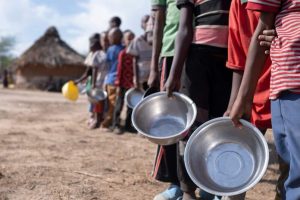
In 2026, several African economies continue to face significant economic challenges due to high levels of public debt and difficulties in meeting public demands for services and development.
Countries such as Kenya, Senegal, Madagascar, Malawi, and Mozambique have faced concerns related to debt sustainability and fiscal pressures.
Challenging the traditional global orders in development finance, S&P Global Ratings records show that African governments face more than $90 billion in external debt repayments this year, three times more than in 2012.
Additionally, the records indicate that government debt across the continent is expected to remain around 61% of GDP, on average.