
 By: David Shoombe
The Bank of Namibia announced an increase in the repo rate from 6.50% to 6.75%, noting how the Namibian economy had been adversely affected by global economic uncertainty arising from the conflict in the Middle East.
Presenting the monetary policy statement, Bank of Namibia governor Ebson Uanguta stated that the Monetary Policy Committee’s decision, was made “to continue safeguarding the peg between the Namibia Dollar and the South African Rand”
Uanguta went on to mention that Namibia’s domestic economic activities remained weak in the first four months of the year. He added that although there was growth reported in the private sector’s credit extension, it remained subdued.
The policy statement also indicated that international reserves remained sufficient to support the currency peg and meet the country’s international financial obligations.
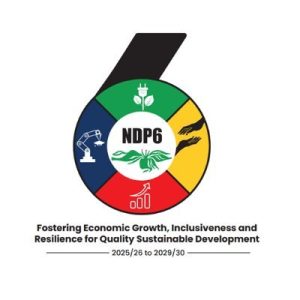
Commenting on how the current global uncertainty could affect the implementation of the sixth National Development Plan (NDP 6), Uanguta stated that “We have aspirations and plans for what we intend to achieve. However, when external shocks occur, there are setbacks because the resources that were initially intended for the National Development Plan may need to be redirected to subsidise consumers so that they can afford certain products.”
Through the NDP 6, Namibia aims to achieve ambitious development goals and implement key projects to transform the economy and advance human development.
One of the key challenges facing the Namibian economy is its vulnerability to external shocks, as well as the lack of a clear data collection mechanism for monitoring and evaluation.
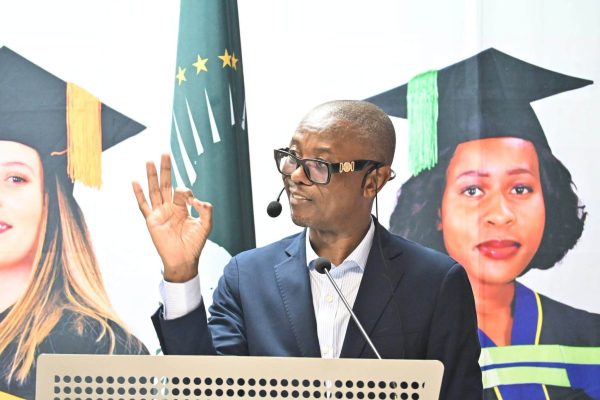
In line with efforts to track developmental progress, the executive director of the National Planning Commission, I-Ben Nashandi, stated at the launch of the Commission’s Strategic Plan that the institution is strengthening monitoring and evaluation mechanisms through collaboration with the University of Namibia.
A report by the International Monetary Fund illustrates that Africa is home to some of the world’s fastest-growing economies, including Rwanda, Senegal, Uganda, and Tanzania.
Economic growth in many developing countries is being driven by value addition, industrialisation, and the production and export of finished goods rather than raw materials.
Namibia’s ambition to become a self-sustaining economy remains a work in progress. The country has yet to establish significant manufacturing industries capable of supporting large-scale industrialisation and creating substantial employment opportunities.
Adding to Namibia’s potential, a joint report by the Accelerated Industrial Development for Africa (AIDA) and the African Continental Free Trade Area on Namibia indicates that through value addition, Namibia can unlock $816 million from African trade and $3.9 billion from global trade.