

By: Dwight Links
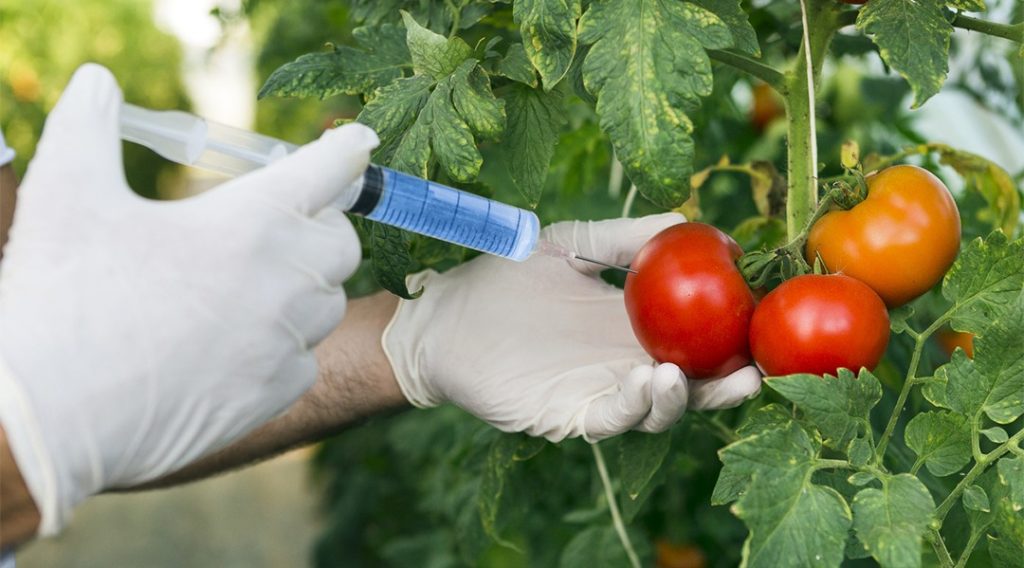
New developments in the food and seeds production have necessitated the review of the Biosafety Act (2006), as more modification in plants and animals takes place.
The National Commission on Research, Science and Technology (NCRST) says it is responsible for implementing the act. The act deals with the safe handling and transfer of any activities involving the development of genetically modified organisms (GMOs).
NCRST acting general manager for innovation and technology development, Dr. Paulus Mungeyi, outlined key developments, the purpose, and scope of the possible changes to the act.
So far, the Commission noted that they consulted key agencies and ministries falling within the scope of the act, such as the ministries of Agriculture and Environment.
These consultations took place between June and August 2025.
“It’s a known fact that we import close to 60% of food products from other countries. This means these products could be made from plants or animals that might be modified,” Mungeyi highlighted.
In terms of safety, the products have to be scanned for compliance to national safety mechanisms.
In the importation of said products, the Ministry of Agriculture deals with phytosanitary issues, where the sister Ministry of Environment is responsible for environmental risk assessments from GMOs.
The agencies also within this scope included the Namibia Revenue Agency (NamRA), Namibia Agronomic Board and more, according to the NCRST.
Namibia’s Biosafety Act aims to provide regulatory measures around activities involving the research, development, production, marketing, transport, application and other uses of GMOs and specified products derived from them.
“Meaning these might be either organisms or products that may be delivered through the process of genetic engineering or biotechnology processes,” Mungeyi explained.
External economic trends forced Namibia to review and revise the act, as the country discovered gaps in the implementation of it.
“MEIYSAC has delegated to the NCRST to implement a revision process of the act. Meaning approximately three years back, we identified these gaps,” Mungeyi outlined.
The review was a national process, he added, which included regional engagements during this period.
There was a final validation workshop on 24 February 2026 following inputs from stakeholders during the review and consultation process.
The act also establishes the Biosafety Council and defines its powers, functions and duties.
Since the act’s enactment in 2006 and actual enforcement in 2016, the NCRST noted that technological changes in this 10-year gap accelerated due to global challenges such as climate change and other factors like manufacturers improving their products regularly.
“There could be an array of reasons for these rapid developments, but the more important ones could be environmental challenges that led to these changes in the products or the various climate demands for the products to be resistant to changing environmental conditions,” Mungeyi added.
In terms of the safety aspects of these products, Mungeyi noted that in the past, GMO products received public backlash around consumer safety and the spread of the products throughout the Namibian economy.
“Namibia realised that we also require food security in these changing climatic conditions, but as a semi-arid country we also suffer climate challenges, and we also want to accelerate the production of food,” he stated.
At the time, the seeds brought in the economy were also genetically modified, especially in the food crop growing sector of agriculture. According to the NCRST, these also included other products that were imported daily.
“This was so that stakeholders could review their own inputs or final amendments. However, there is a final phase whereby the Cabinet are the only ones to sign off on these changes to the act,” Mungeyi noted.
Part of the consultations included the parliamentary standing committees who represent their electorates across the country that were part of the buy-in process regarding the potential economic, and trade related impacts concerning the review process.
Mungeyi shared that the amendments in terms of the drafting phase have been done, and is currently with ministries and agencies in the state realm that have to consider the draft document for their purposes and related impacts.